AVATAR STUDIES
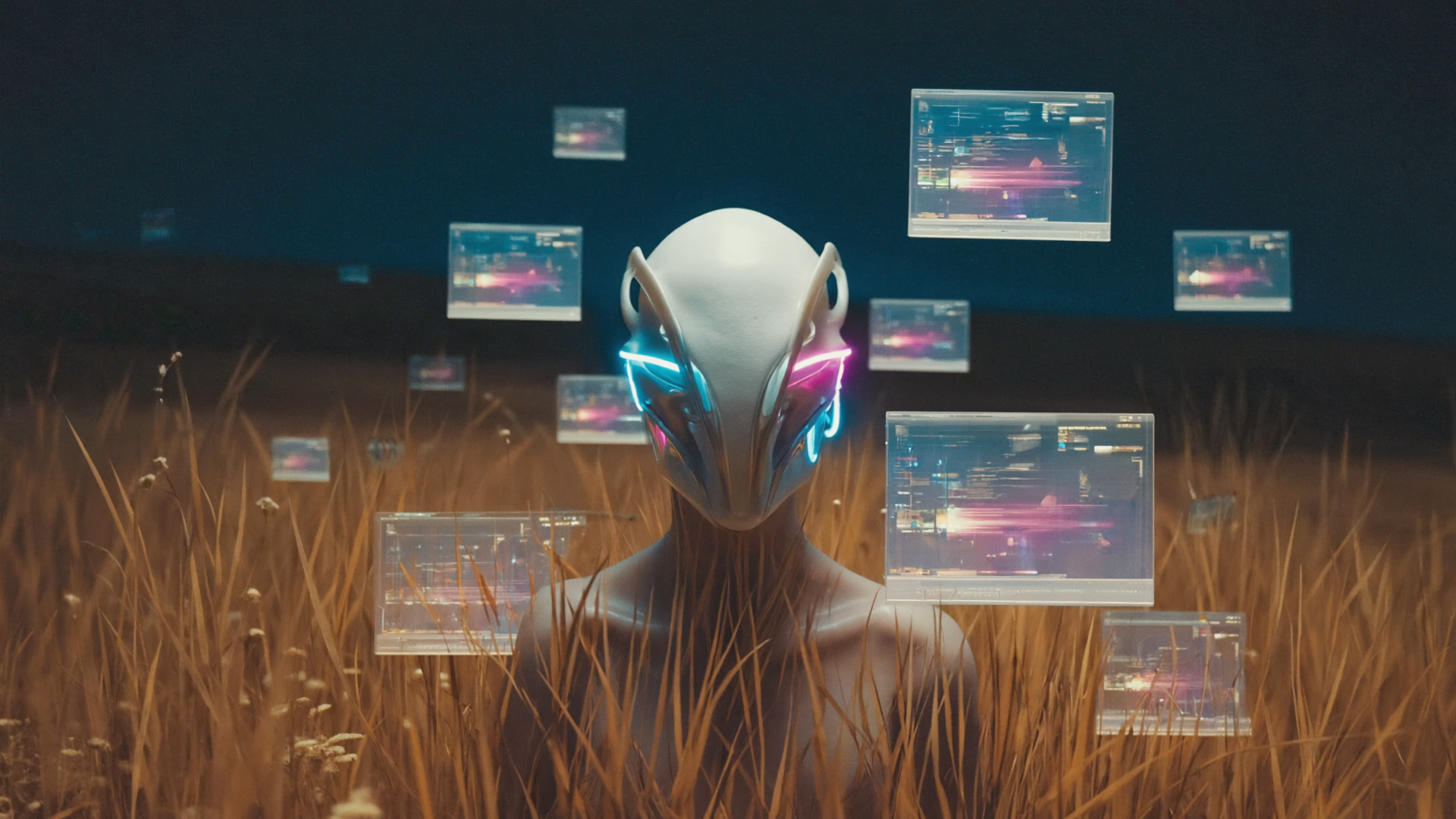
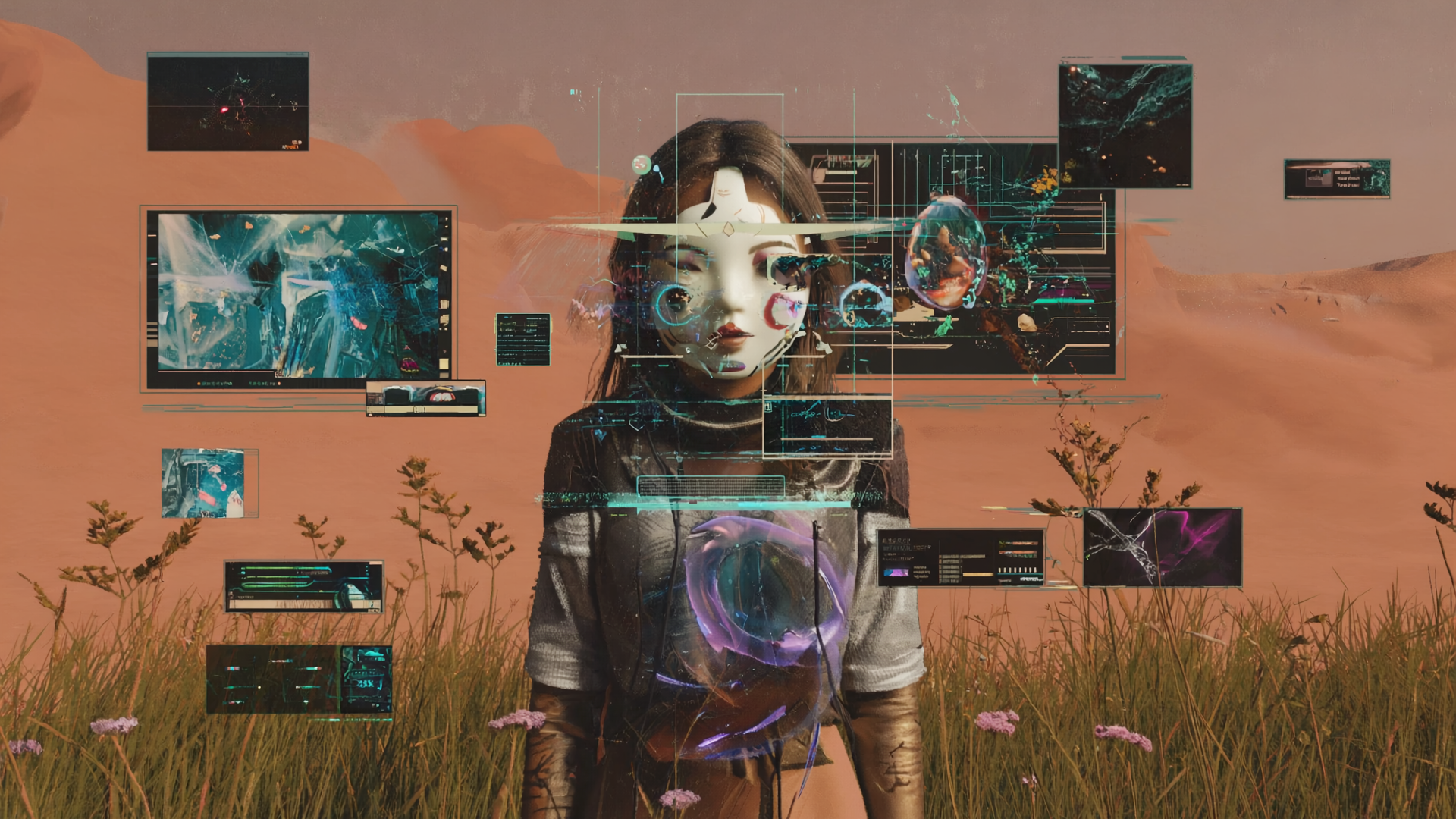
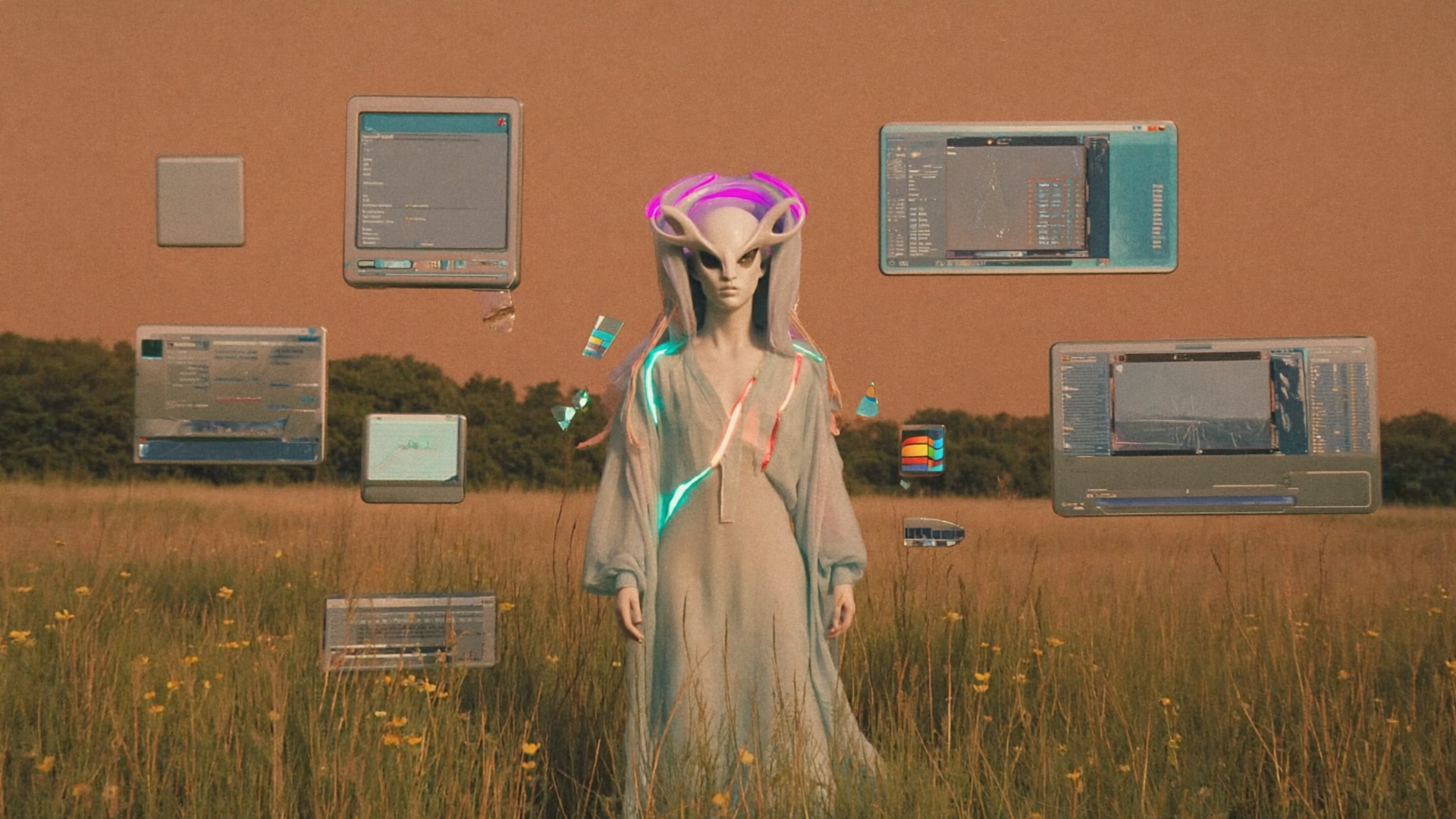
AVANTGARDEN: BIOMES (AVATAR STUDIES), audio-visual works, digital prints, 2026.
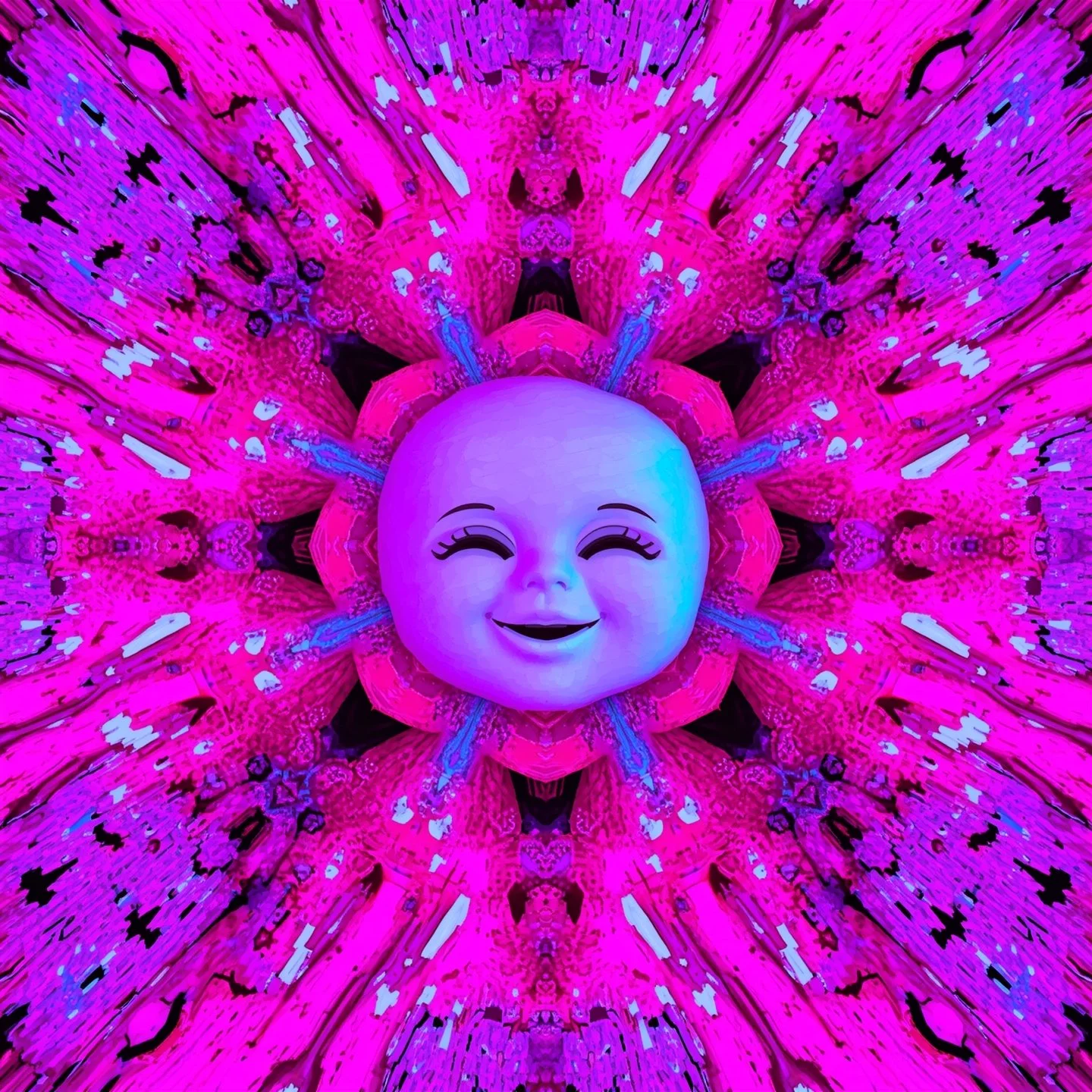
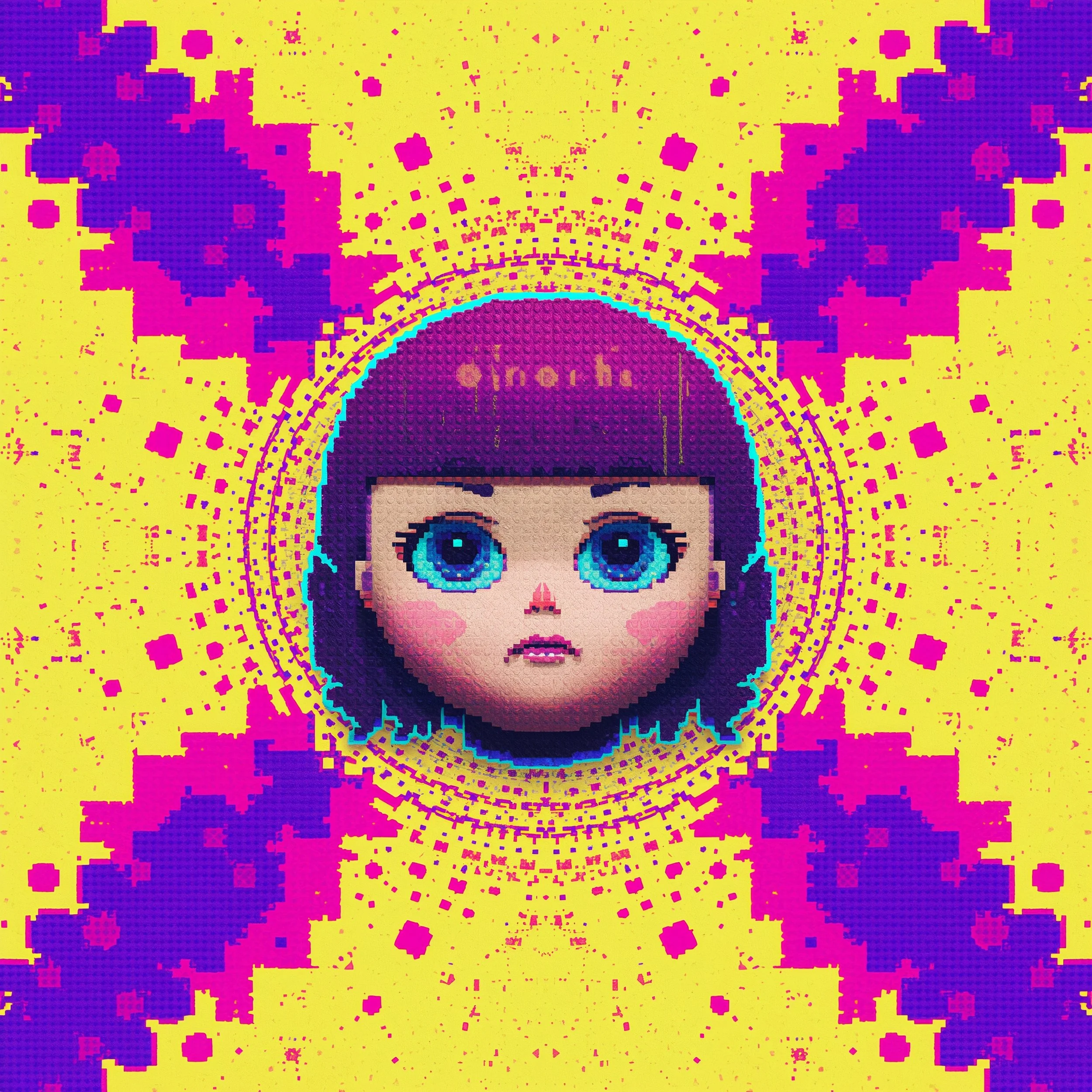
AVATAR STUDIES - ICONS (Digital prints on wooden panels, 40x40cm each, 38 pieces)
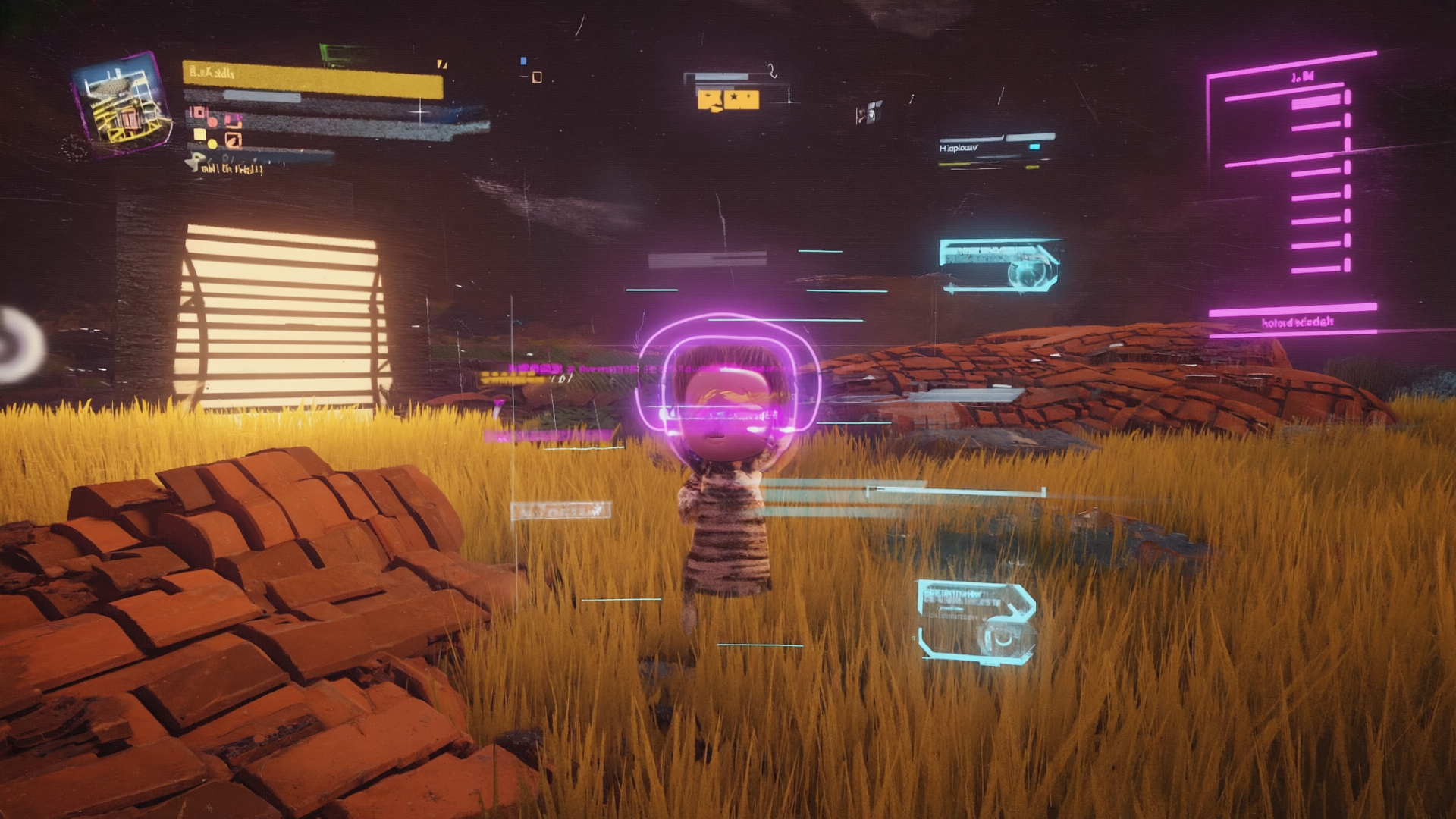
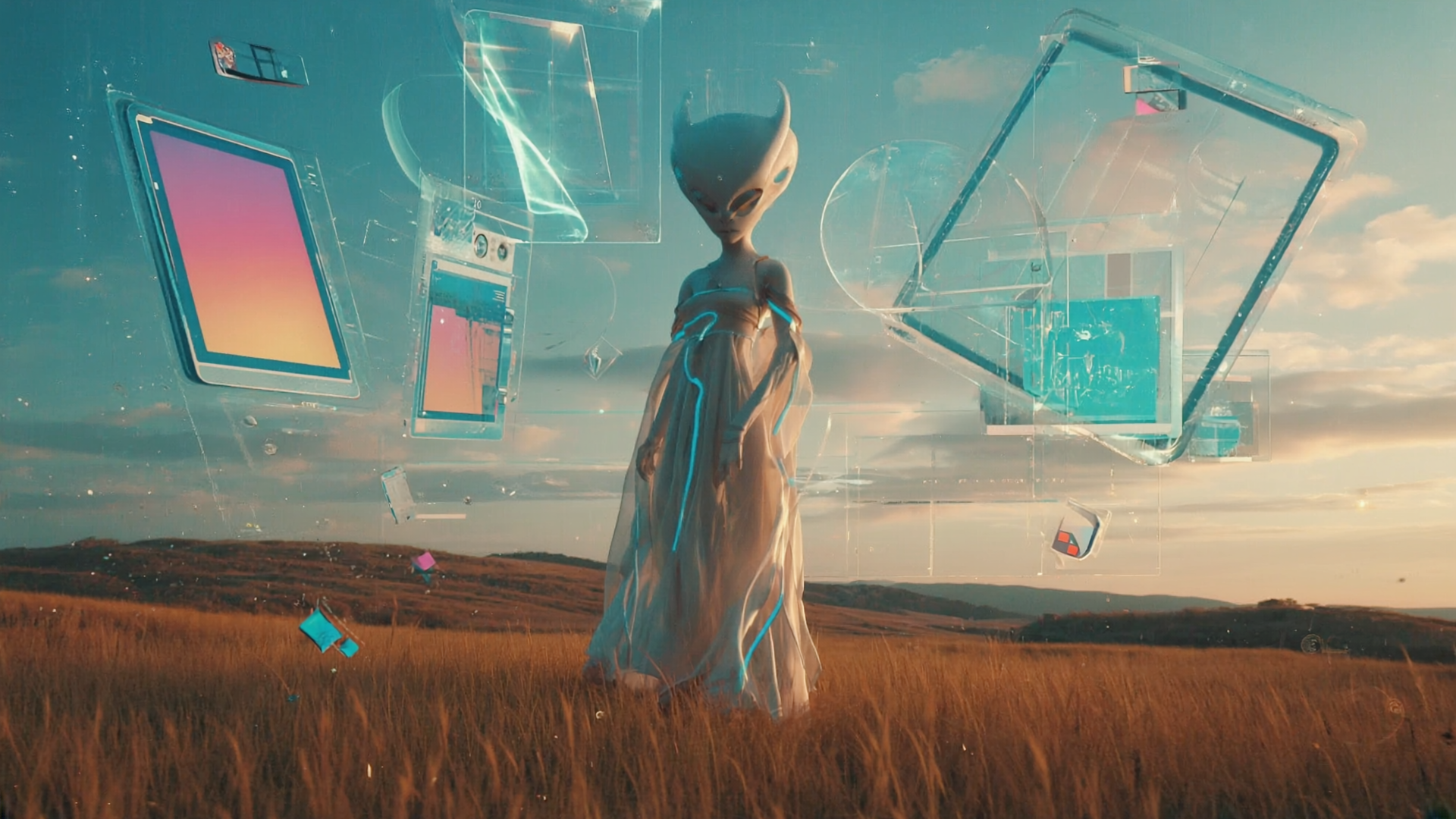
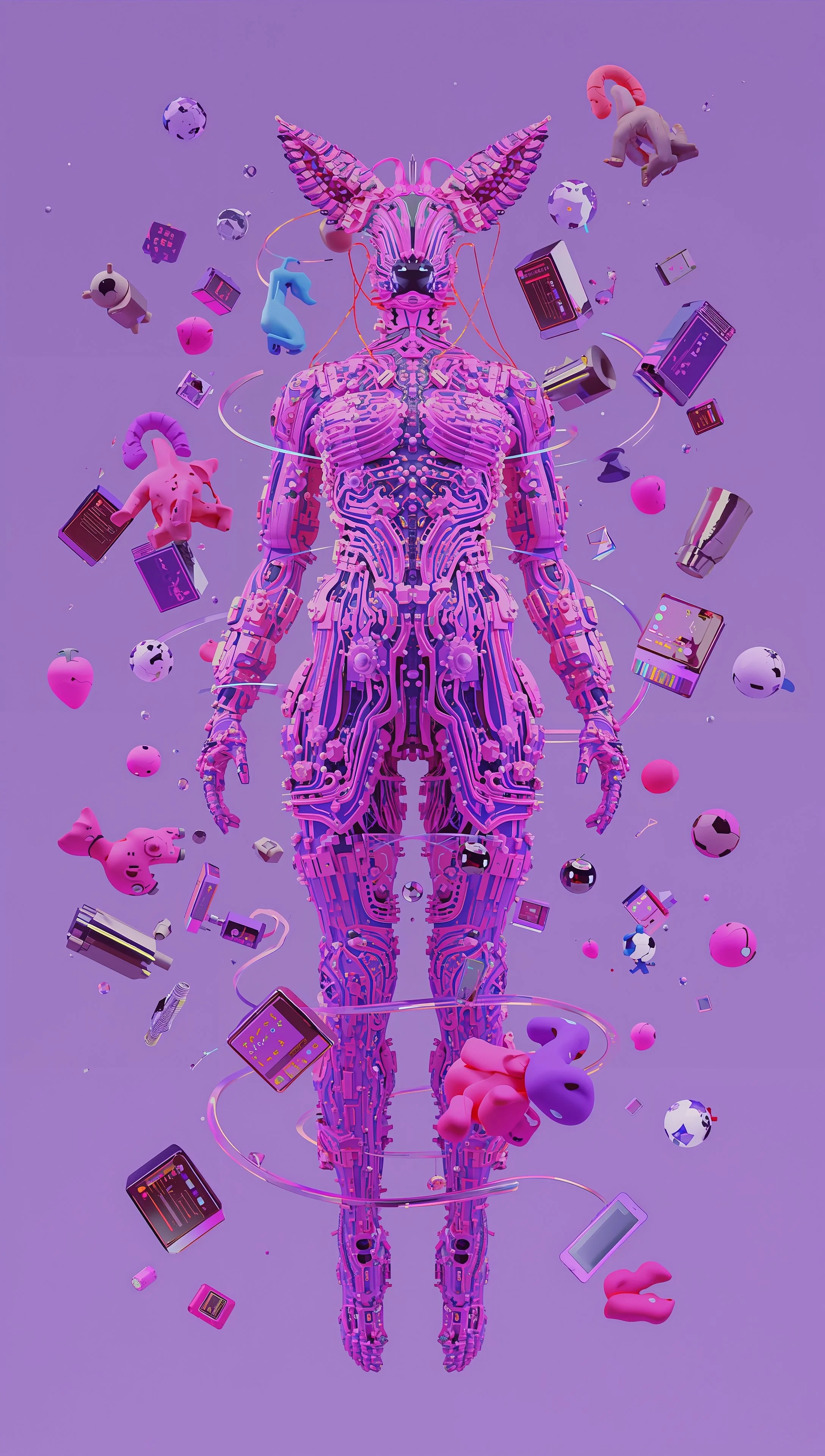
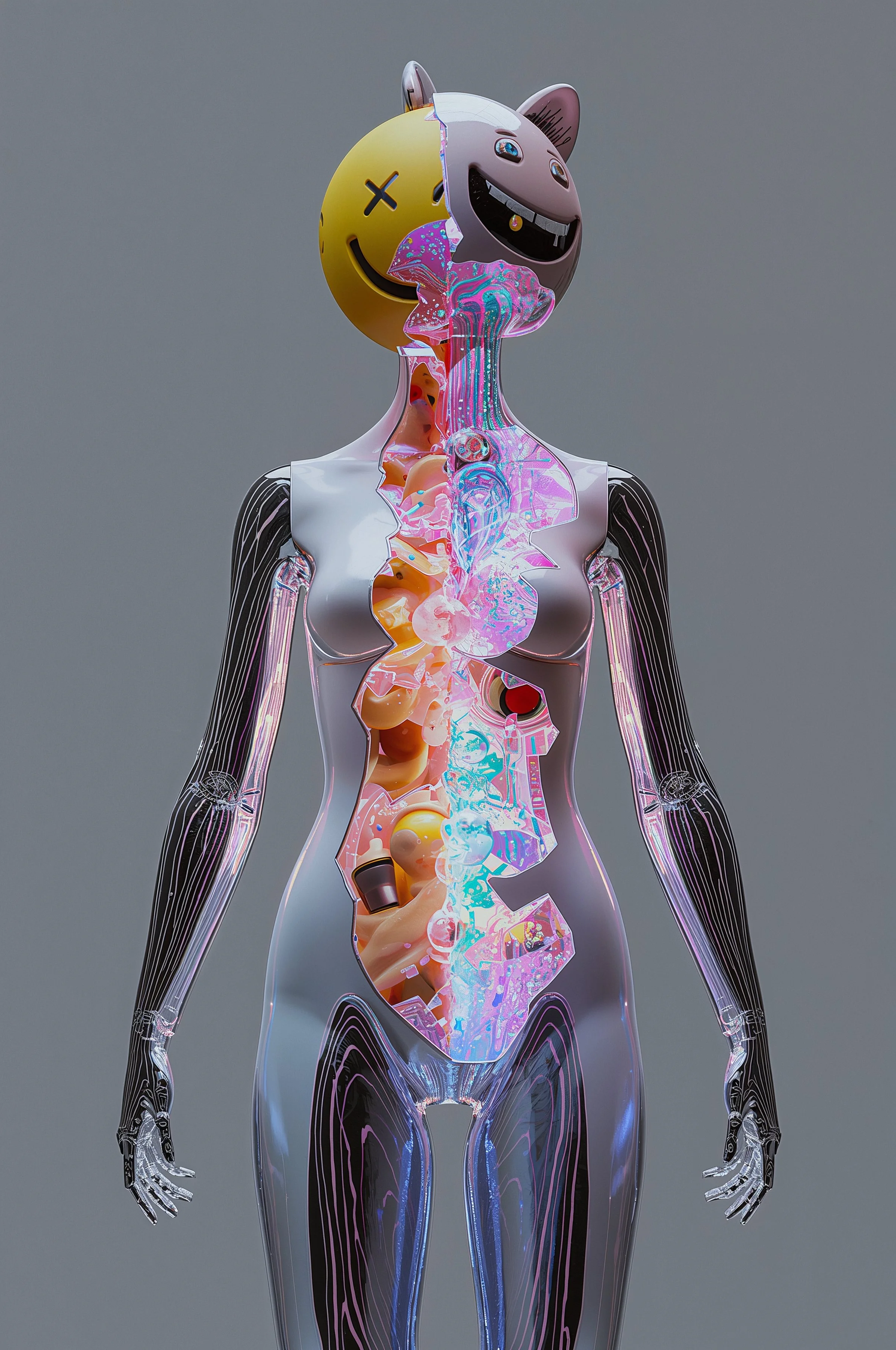
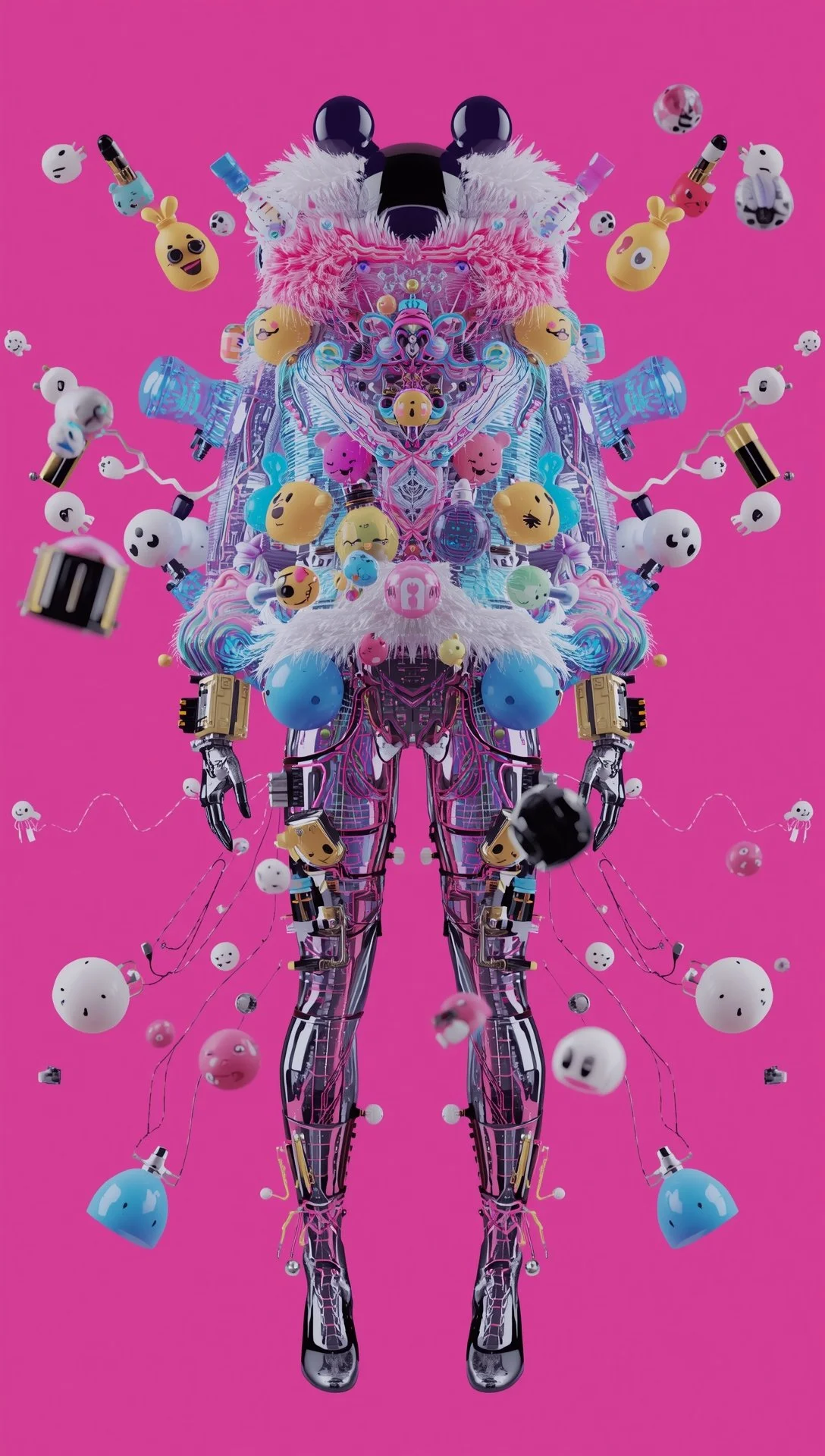
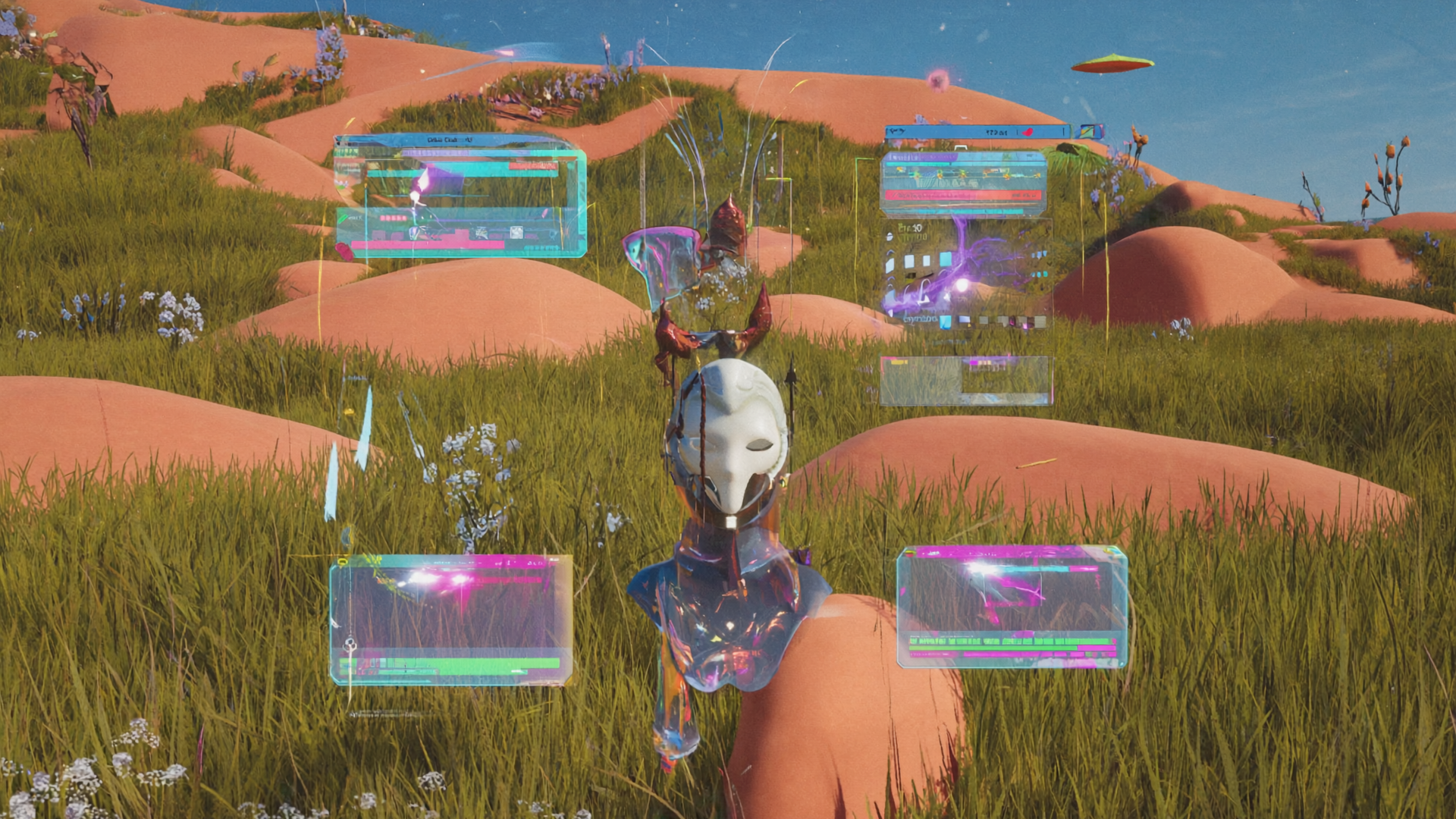
AVATAR STUDIES - GAMING BODY (Audio-visual works, 4K 16:9 9:03 minutes & 9:16 0:46 minutes, digital images)
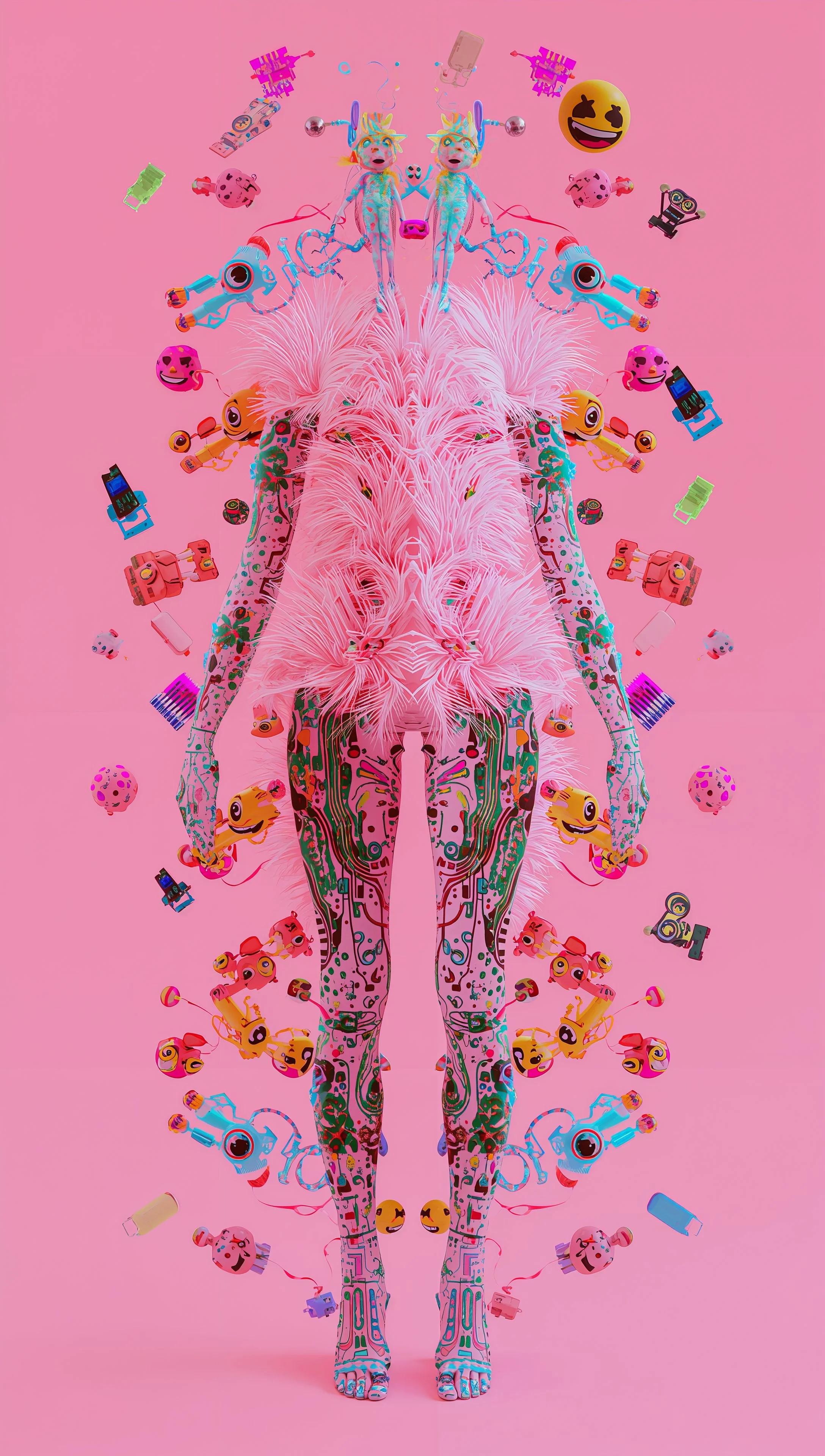
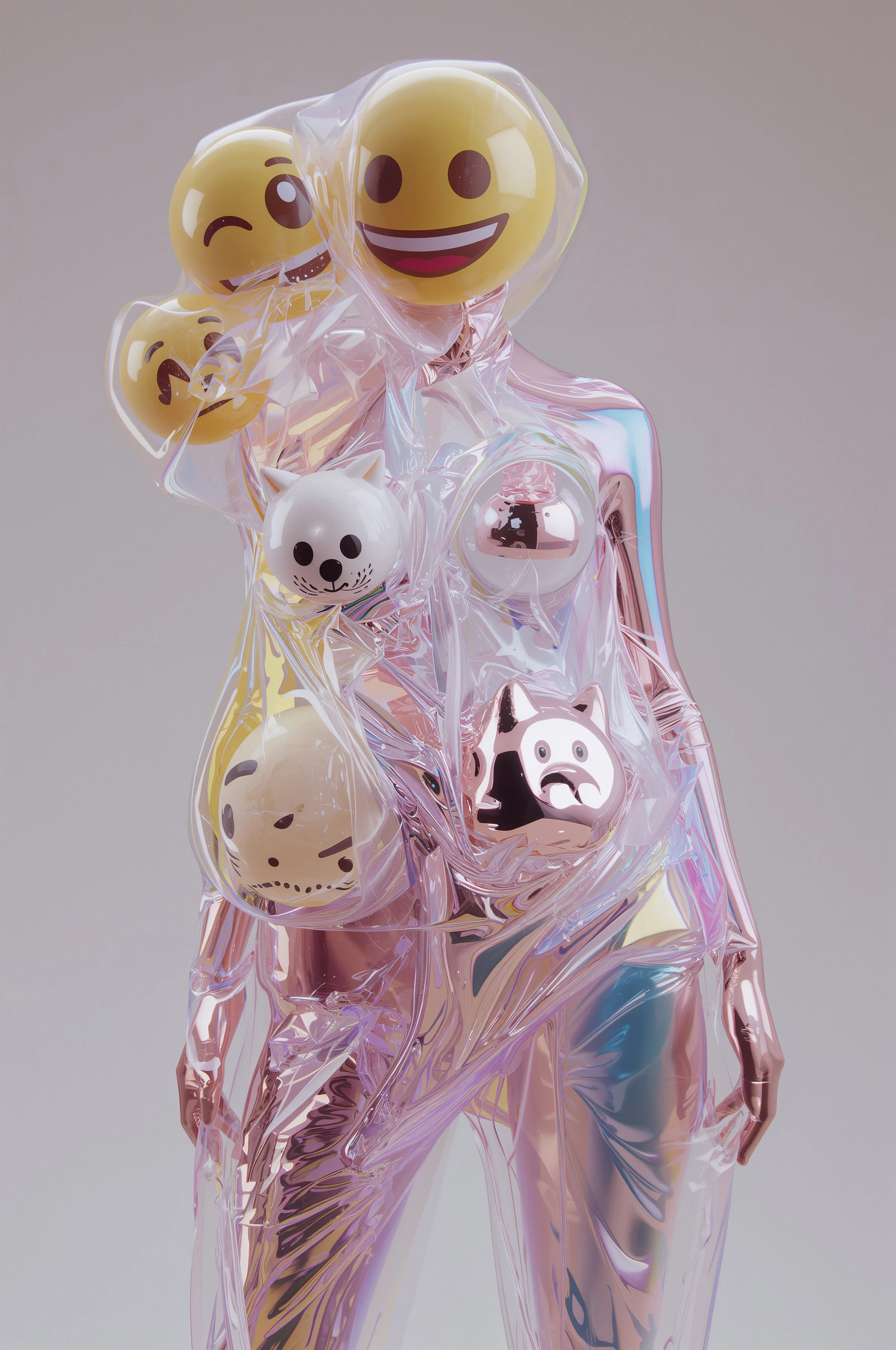
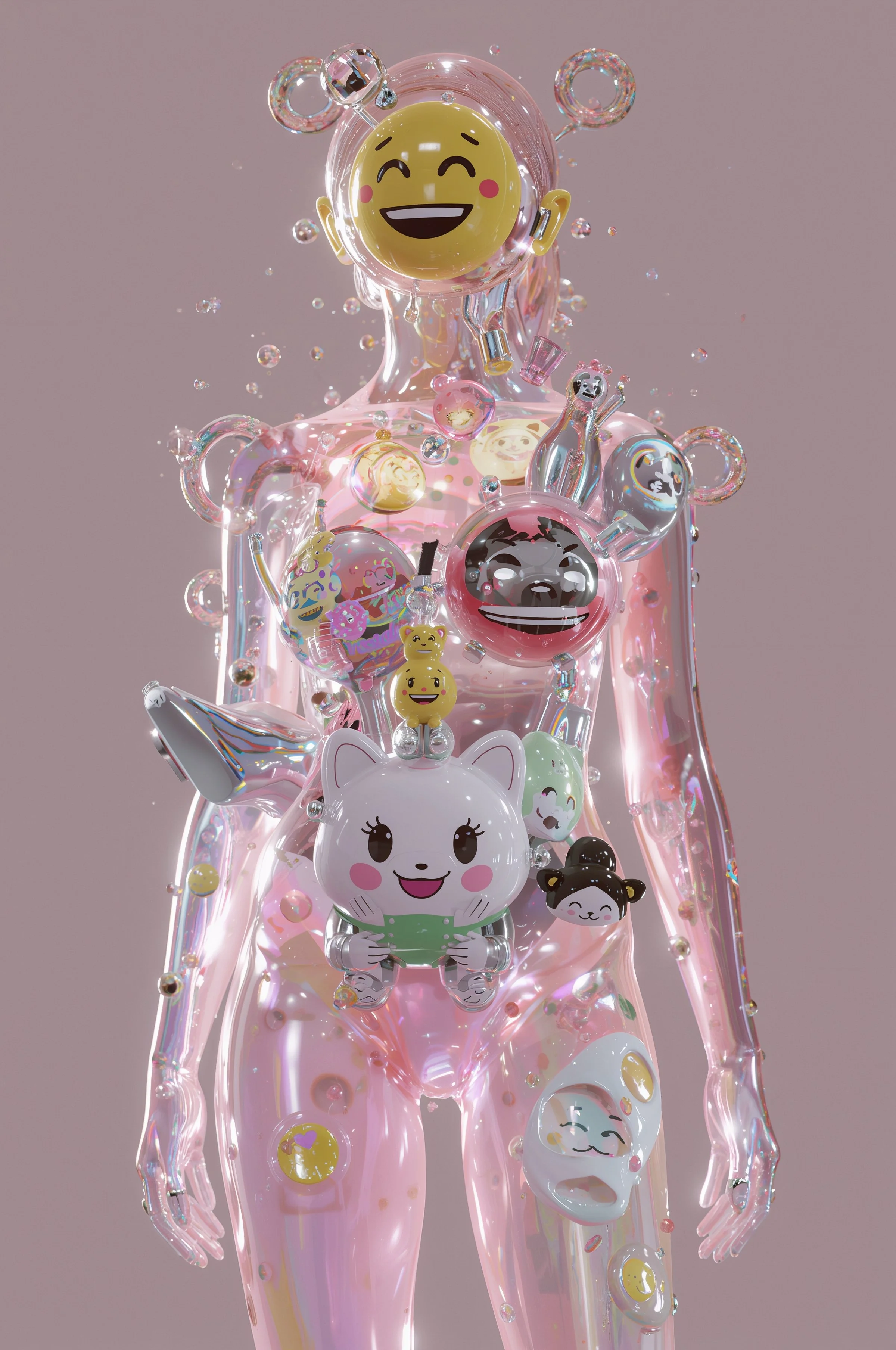
AVATAR STUDIES - SMILLING BODY (Audio-visual work, digital images)
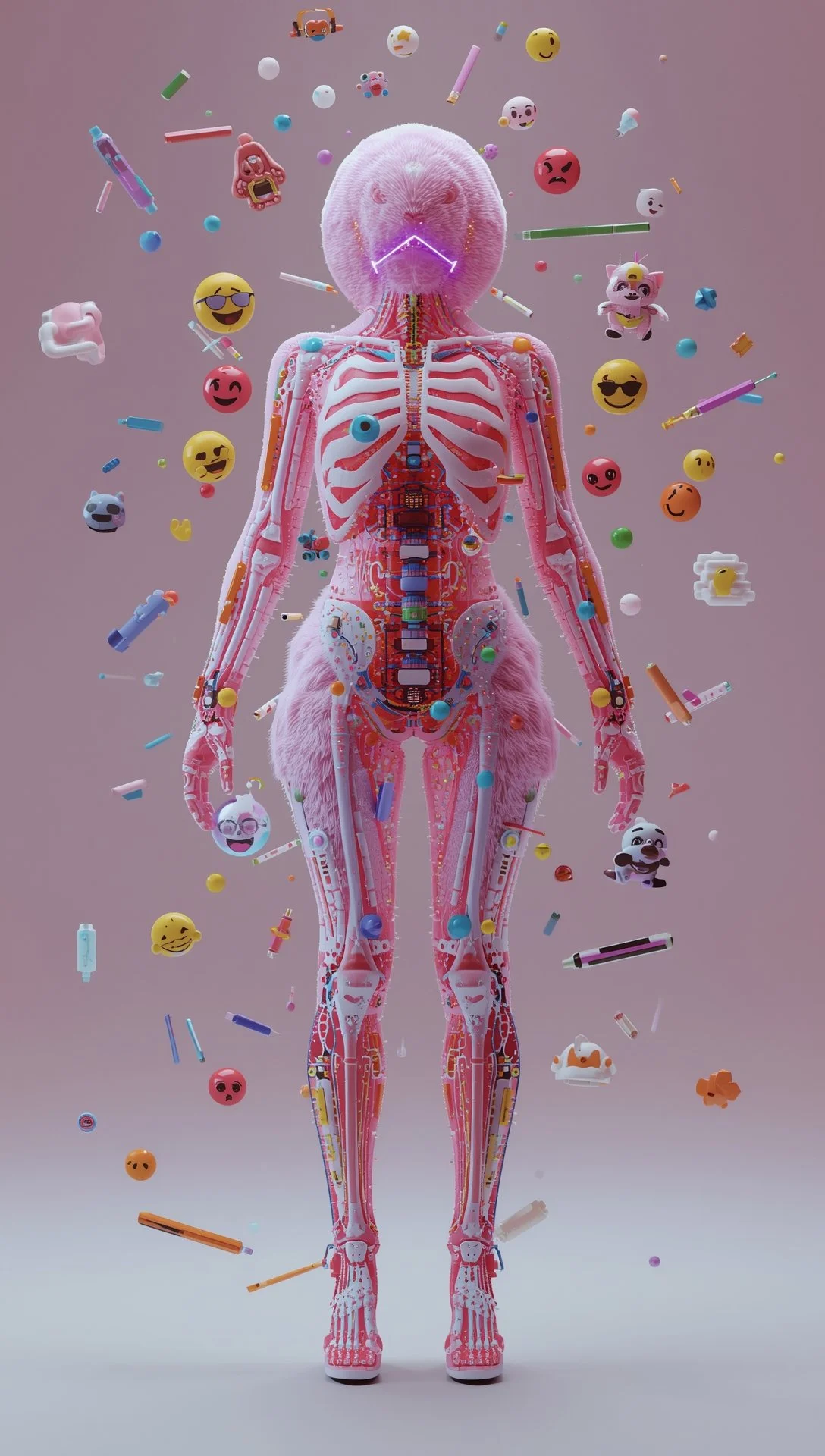
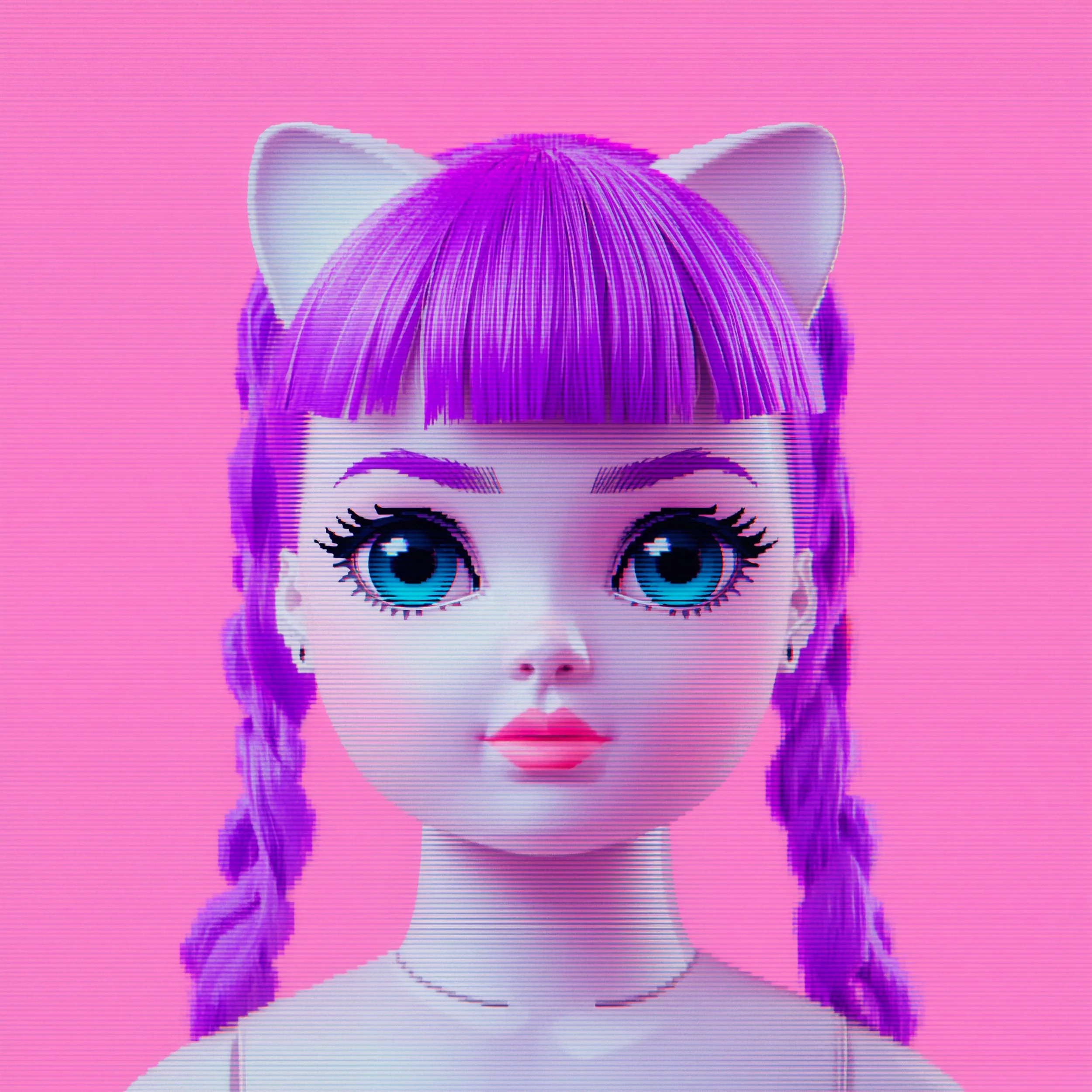
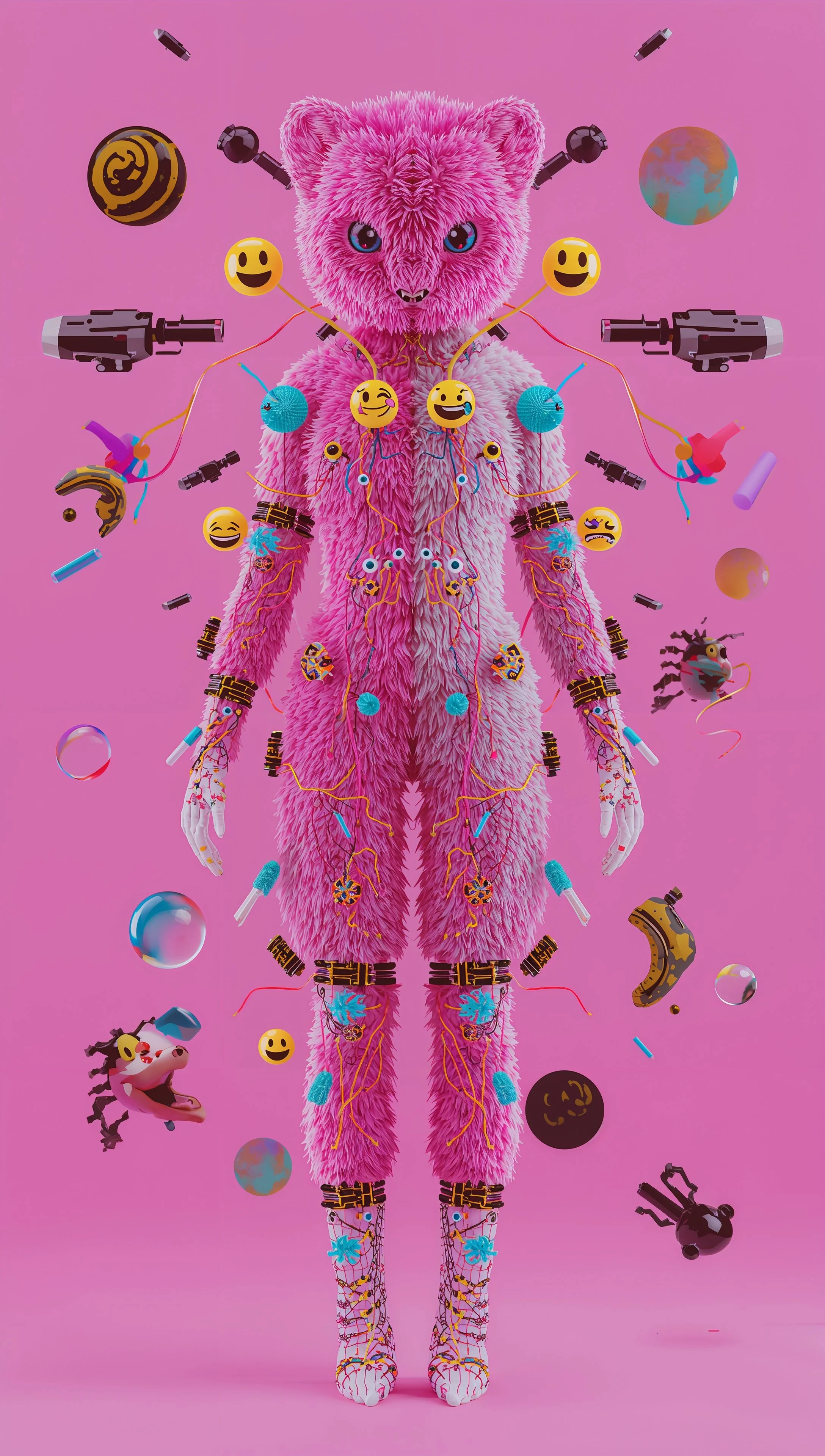
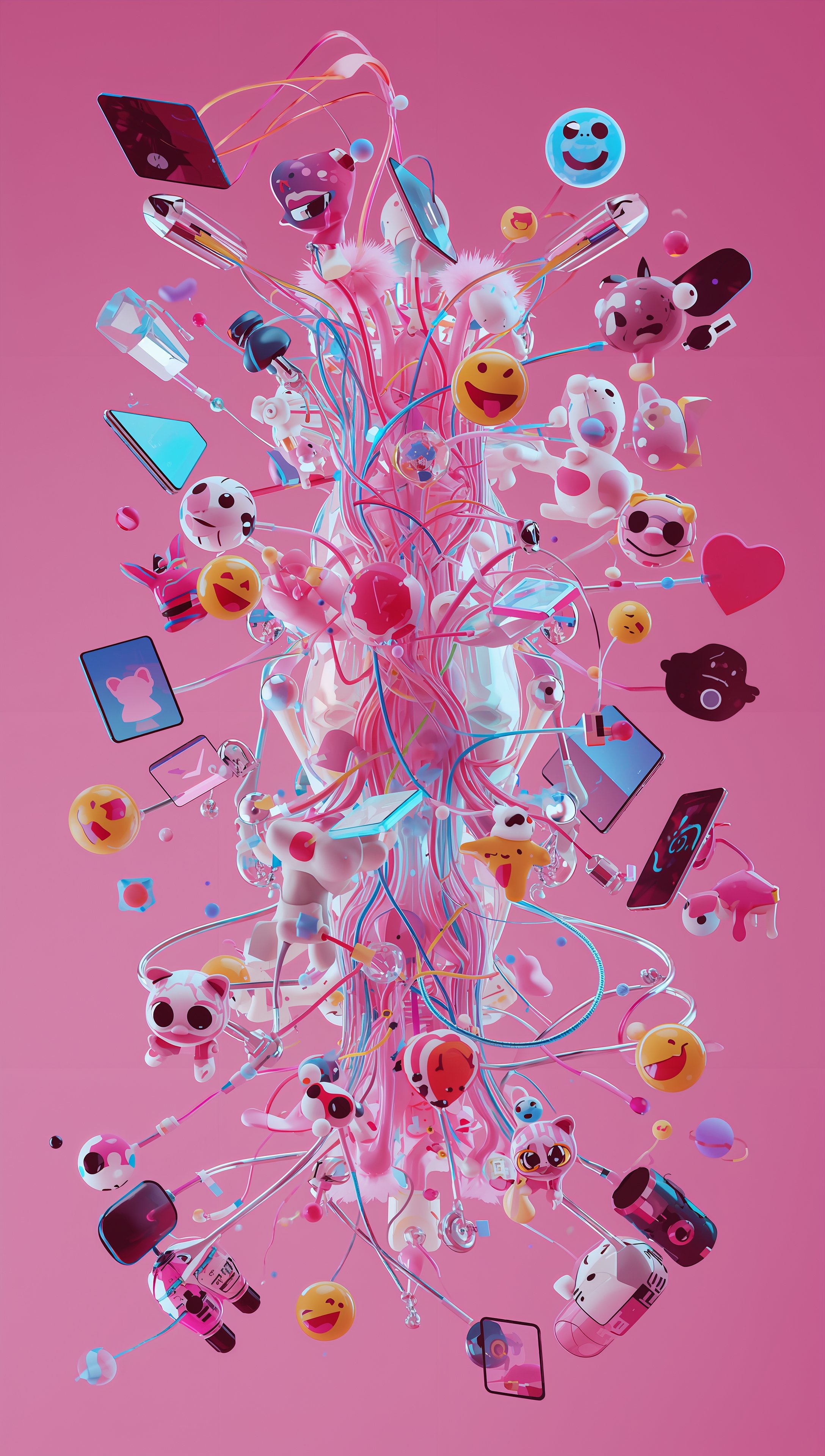
AVATAR STUDIES - PINK BODY (Audio-visual work, 4K, 9:16, 5:03 minutes, digital images)
AVATAR STUDIES - DOLLS (Textile objects, various dimensions)
3D sculpting and rendering, AI generative image processing, sound compositions: Tanja Vujinovic
Production: Tanja Vujinovic / Ultramono
Consulting: Mika Pi (software engineering), Ultramono community
AVATAR STUDIES
BIOMES holds a deliberate tension between critique and desire, exposing how digital systems format and regulate experience while still generating real pleasure, intimacy, and temporary forms of escape.
AVATAR STUDIES examines the avatar as a designed body shaped by platform aesthetics, gaming logic, and consumer culture. It treats dolls, gaming figures, and synthetic characters as prototypes of contemporary identity.
This cluster includes prints, paintings, textile objects, and audio-visual works. The figures appear as icons, smiling bodies, pink bodies, gaming bodies, and dolls. They are exaggerated, stylized, and deliberately artificial. Their surfaces are polished. Their expressions are coded. Their cuteness is strategic.
The works focus on how avatars inherit the historical function of dolls: objects of projection, rehearsal, and emotional attachment. Today, this function is embedded in digital infrastructures. Avatars operate as interfaces through which users perform selfhood, intimacy, and social presence.
AVATAR STUDIES is critical of how identity becomes aestheticized, optimized, and standardized within networked platforms. Bodies are customizable, but within predefined templates. Expression is encouraged, but through limited visual grammars. The avatar promises freedom while operating inside systems of design control.
By isolating and multiplying these figures across media, the project exposes the constructed nature of digital selfhood. The avatar is not a neutral tool. It is a formatted body shaped by commercial platforms, gaming culture, and cosmetic logic.
At the same time, these avatars are not dismissed as empty shells. They enable real attachment, experimentation, and fantasy. Within their constraints, users experience temporary forms of liberation — the ability to rehearse other bodies, other identities, other modes of presence. The avatar is both formatted and freeing. It exposes the limits of platform design while opening moments of speculative selfhood.