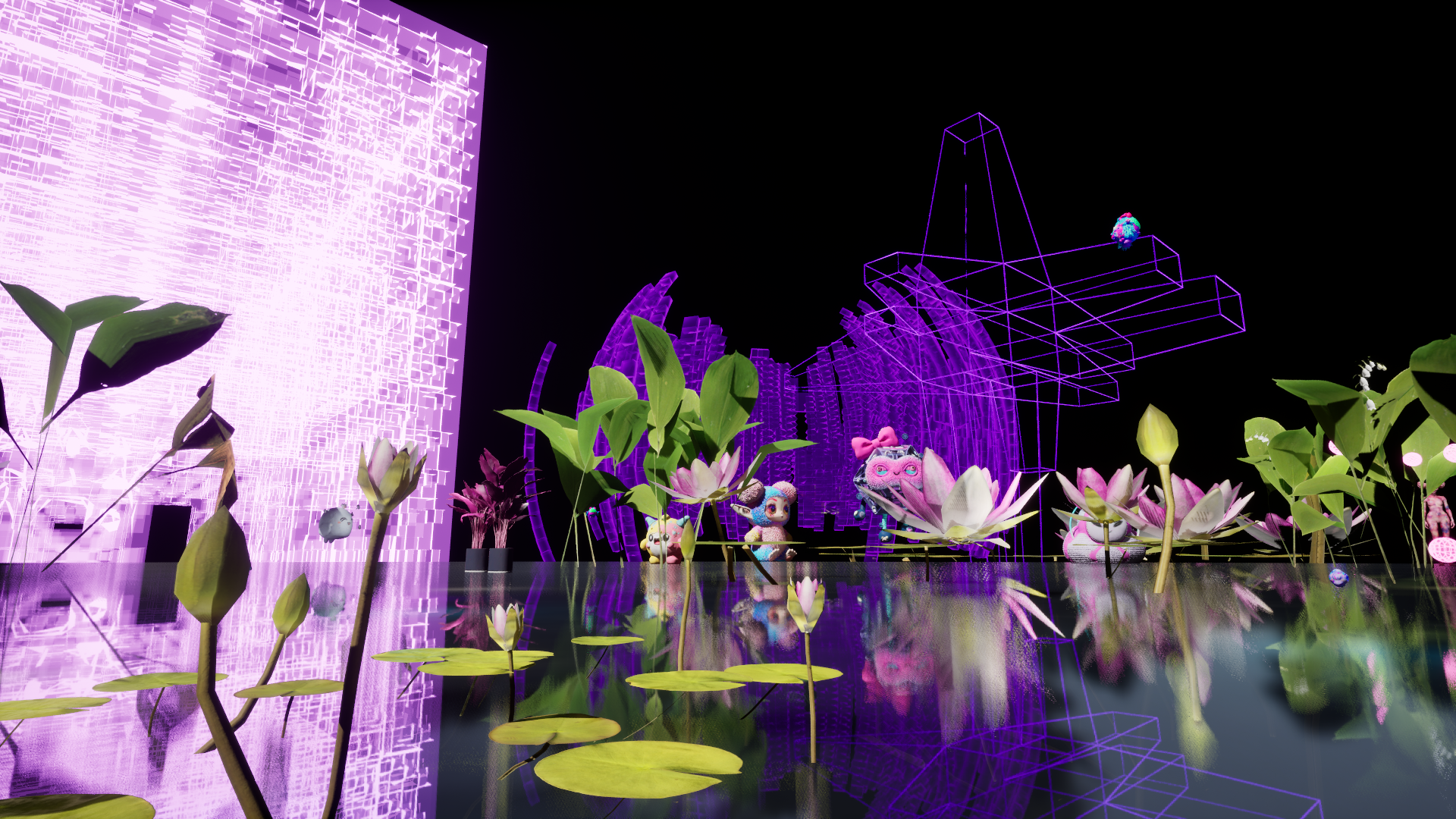
CLUB / OFFICE / GARDEN / PLAYGROUND / STICKER BOMBING & WALLPAPERS
AVANTGARDEN: BIOMES (CLUB / OFFICE / GARDEN / PLAYGROUND / STICKER BOMBING & WALLPAPERS), virtual world, virtual reality world, digital prints, 2025-2026.
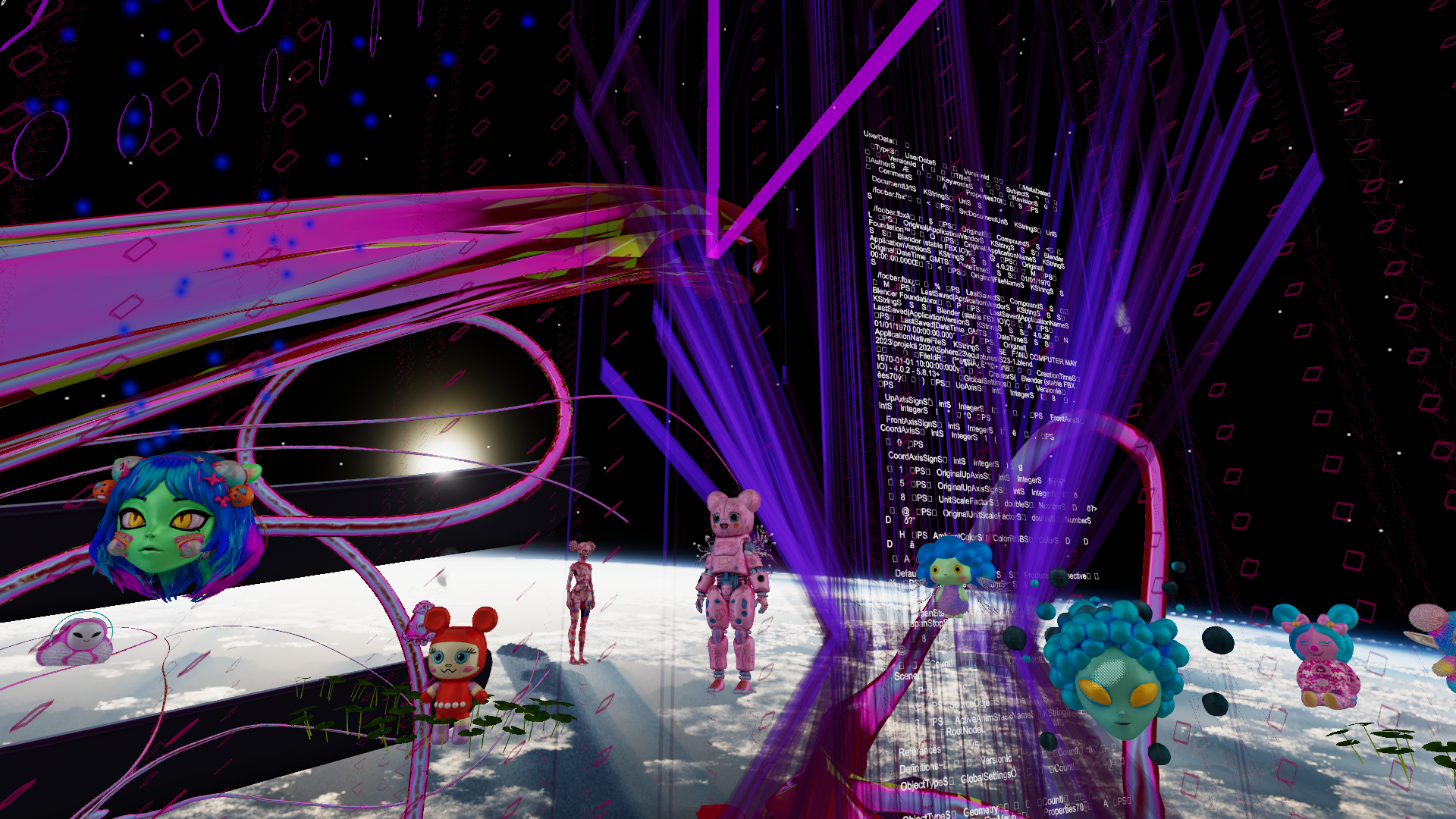
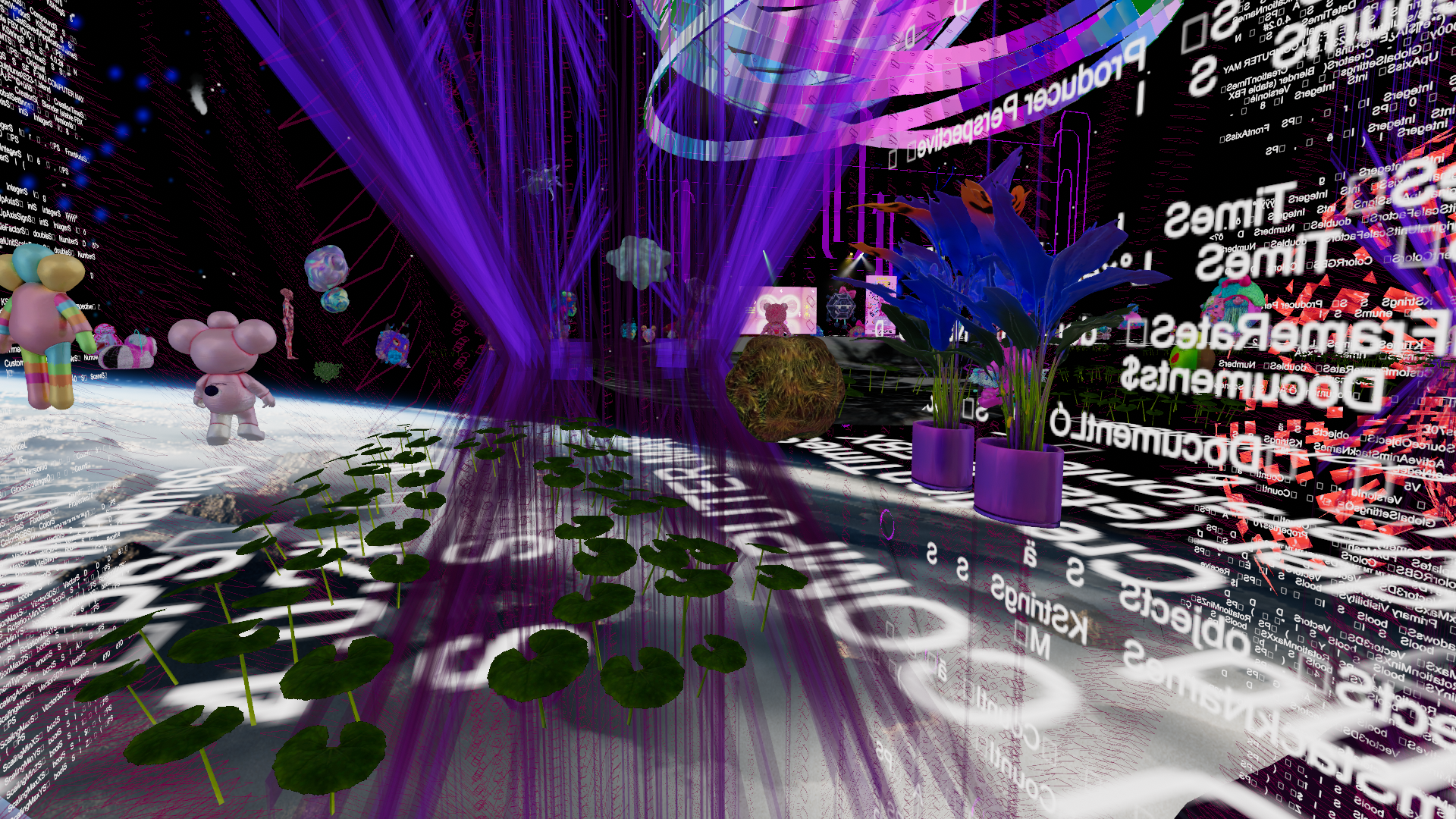
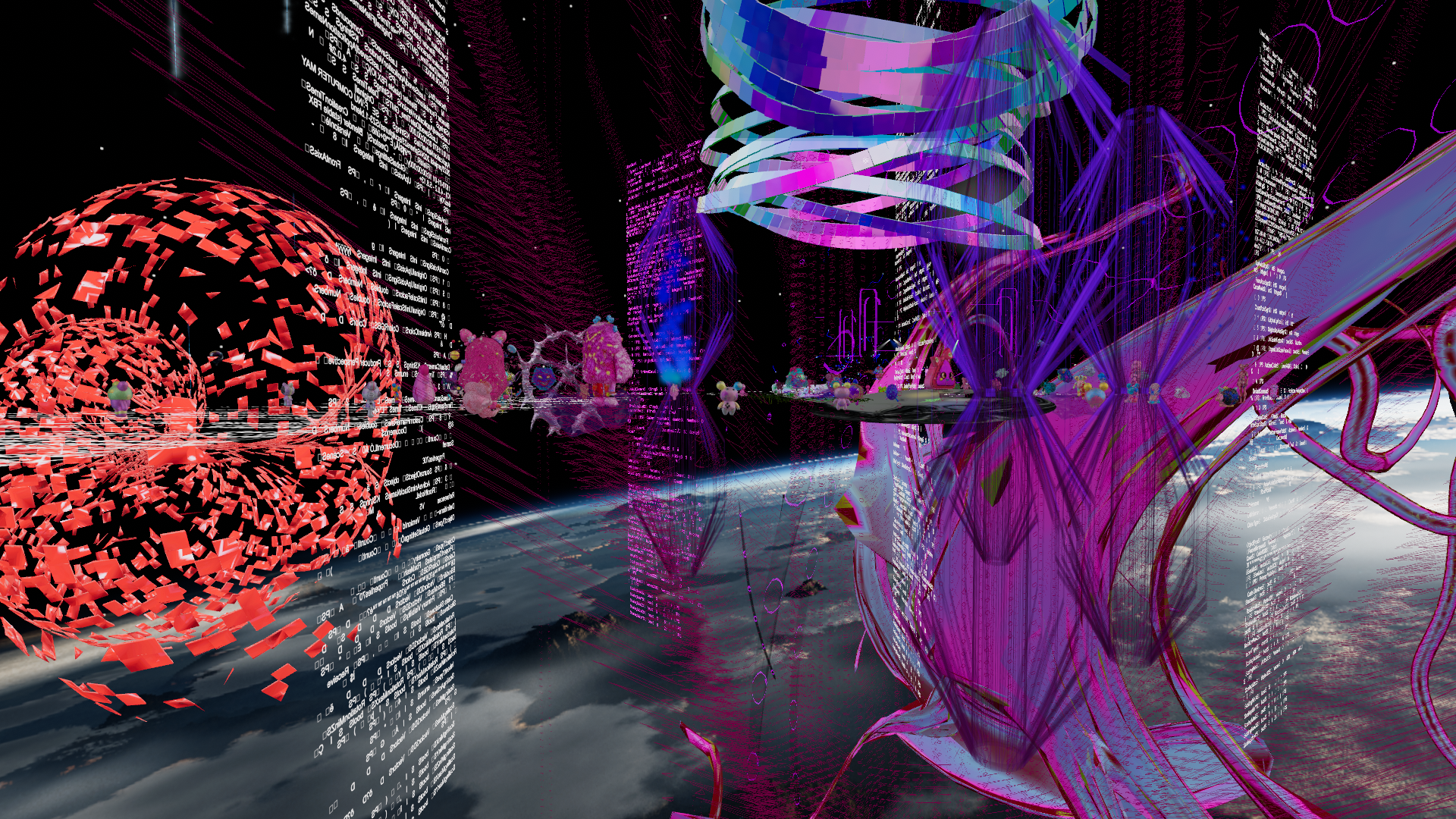
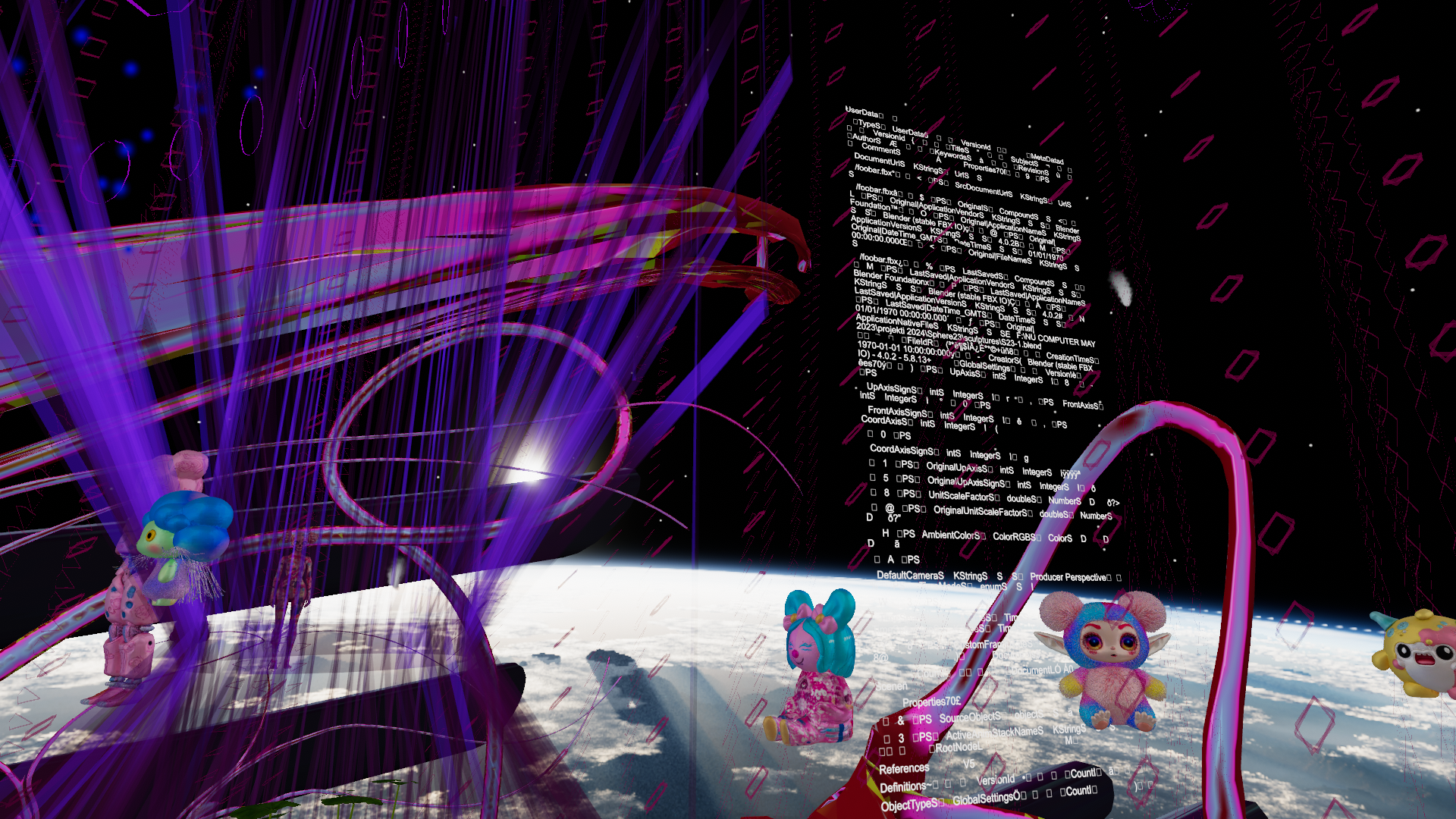
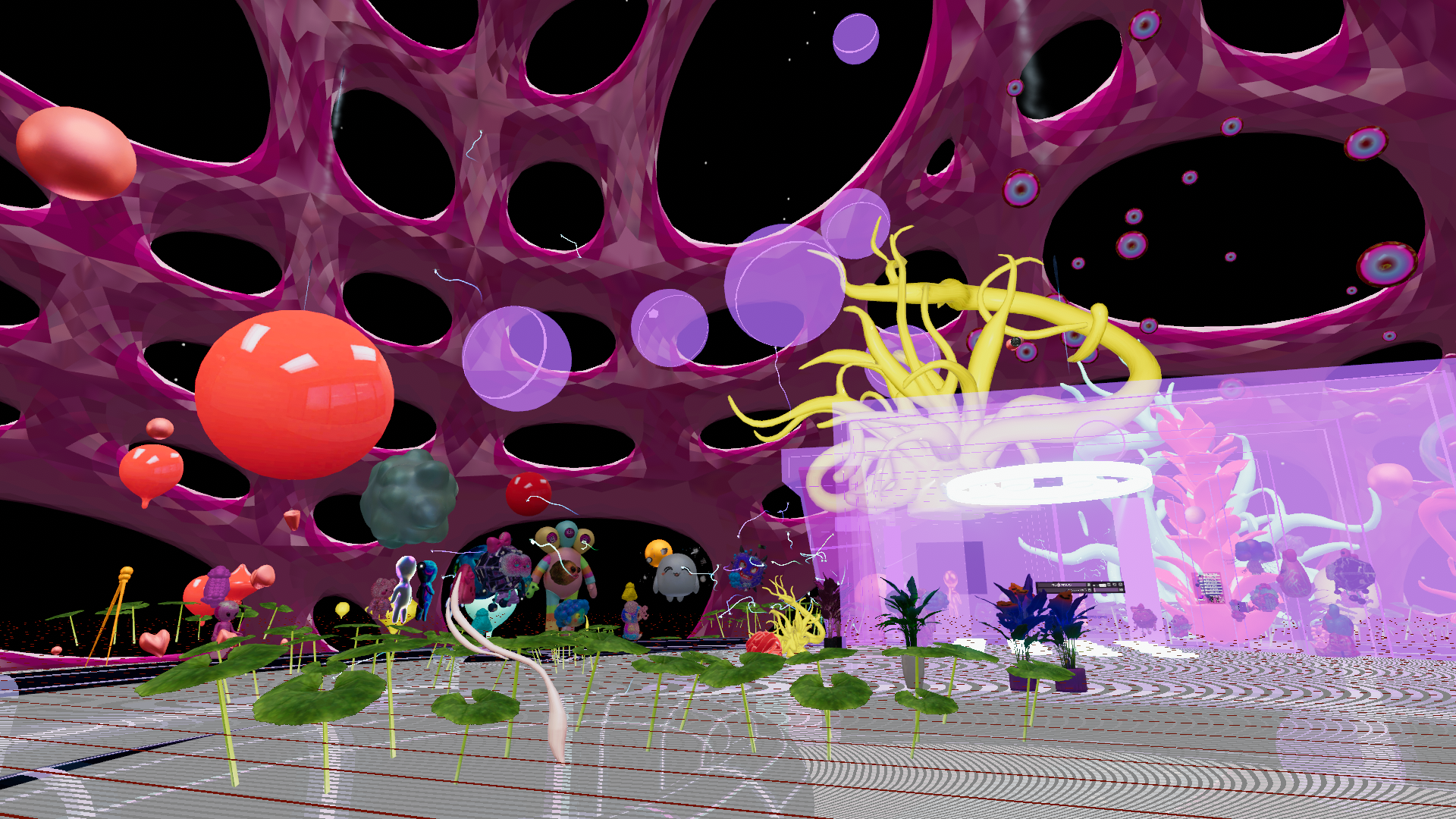
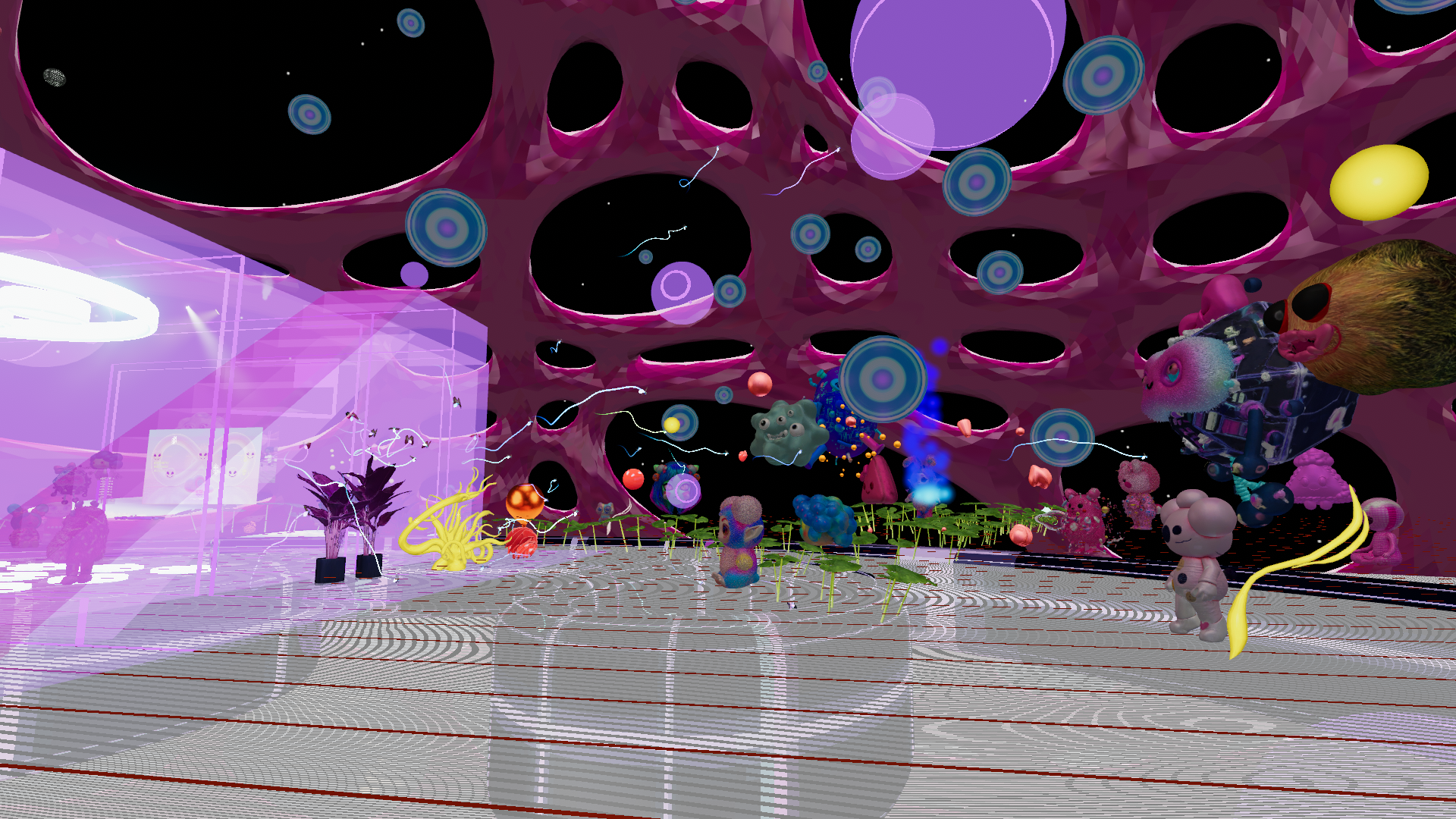
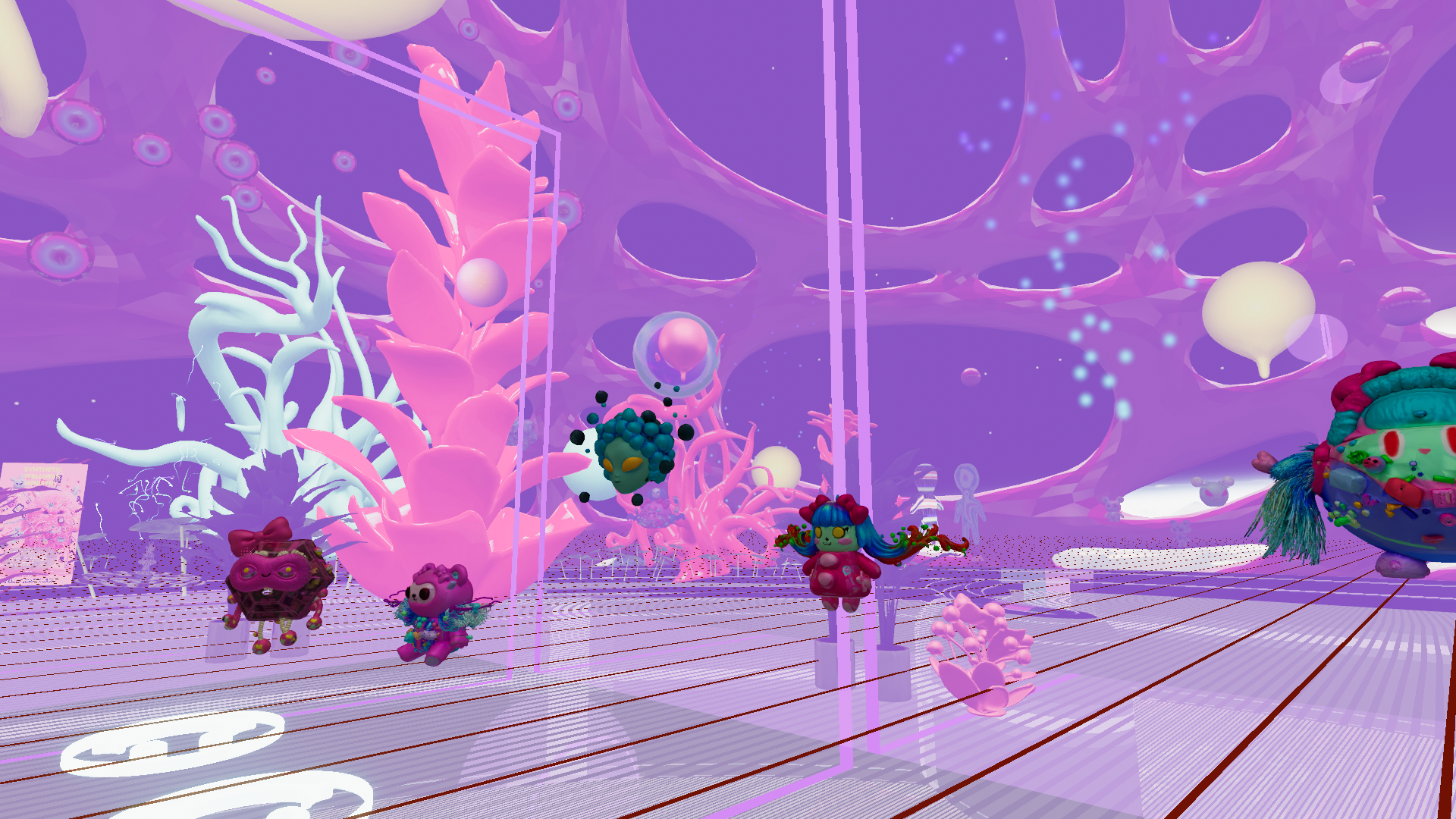
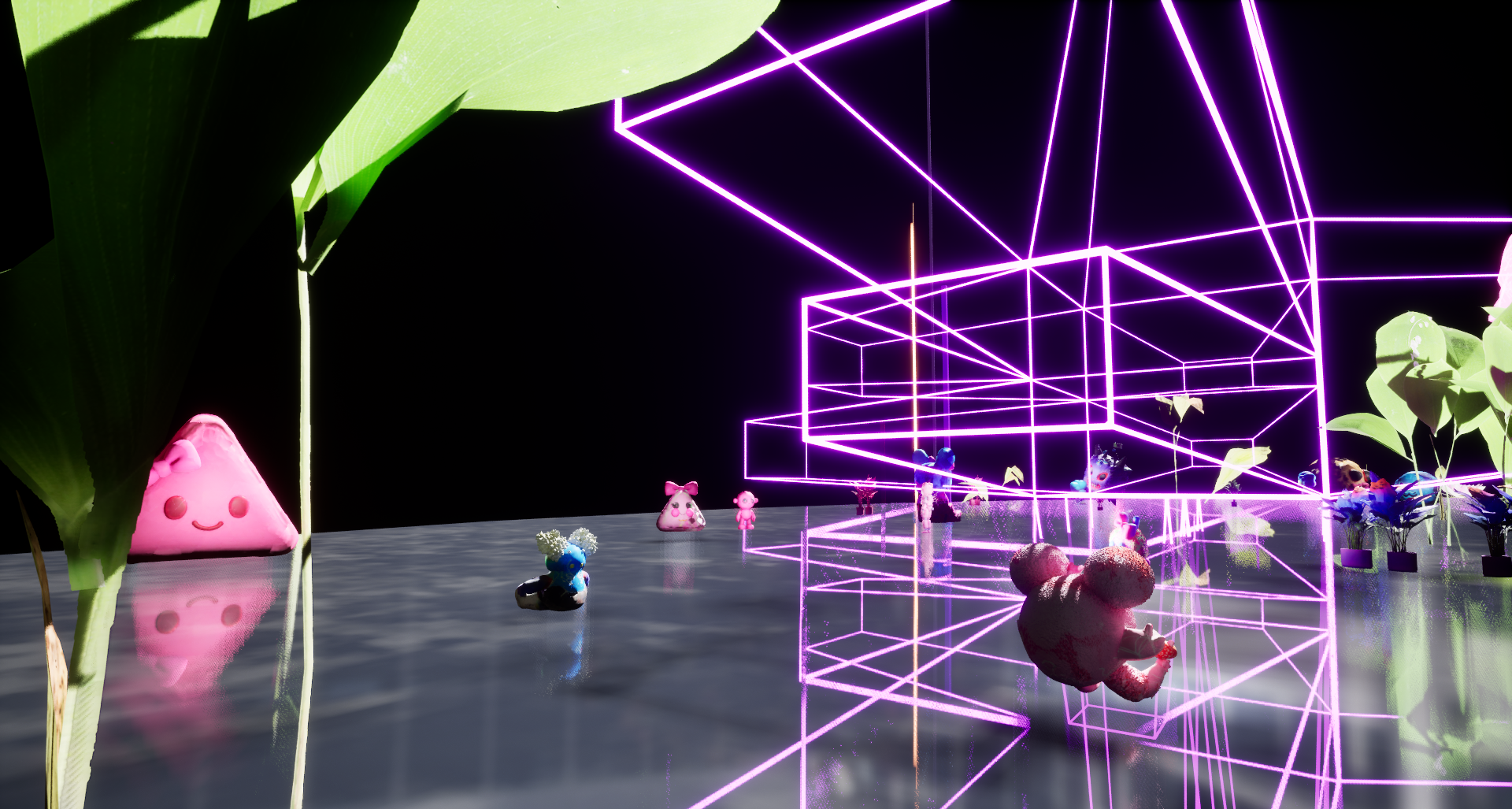
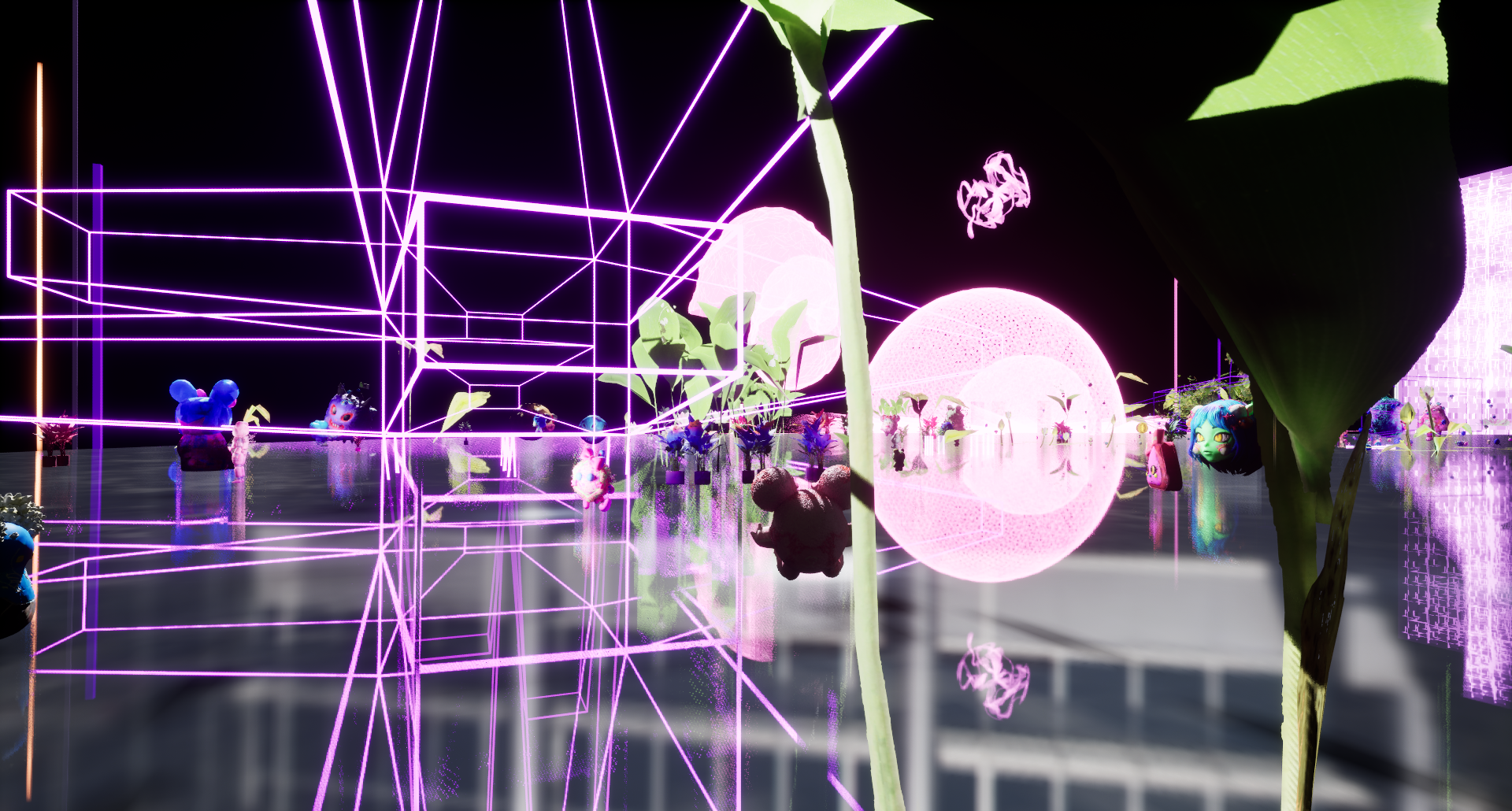
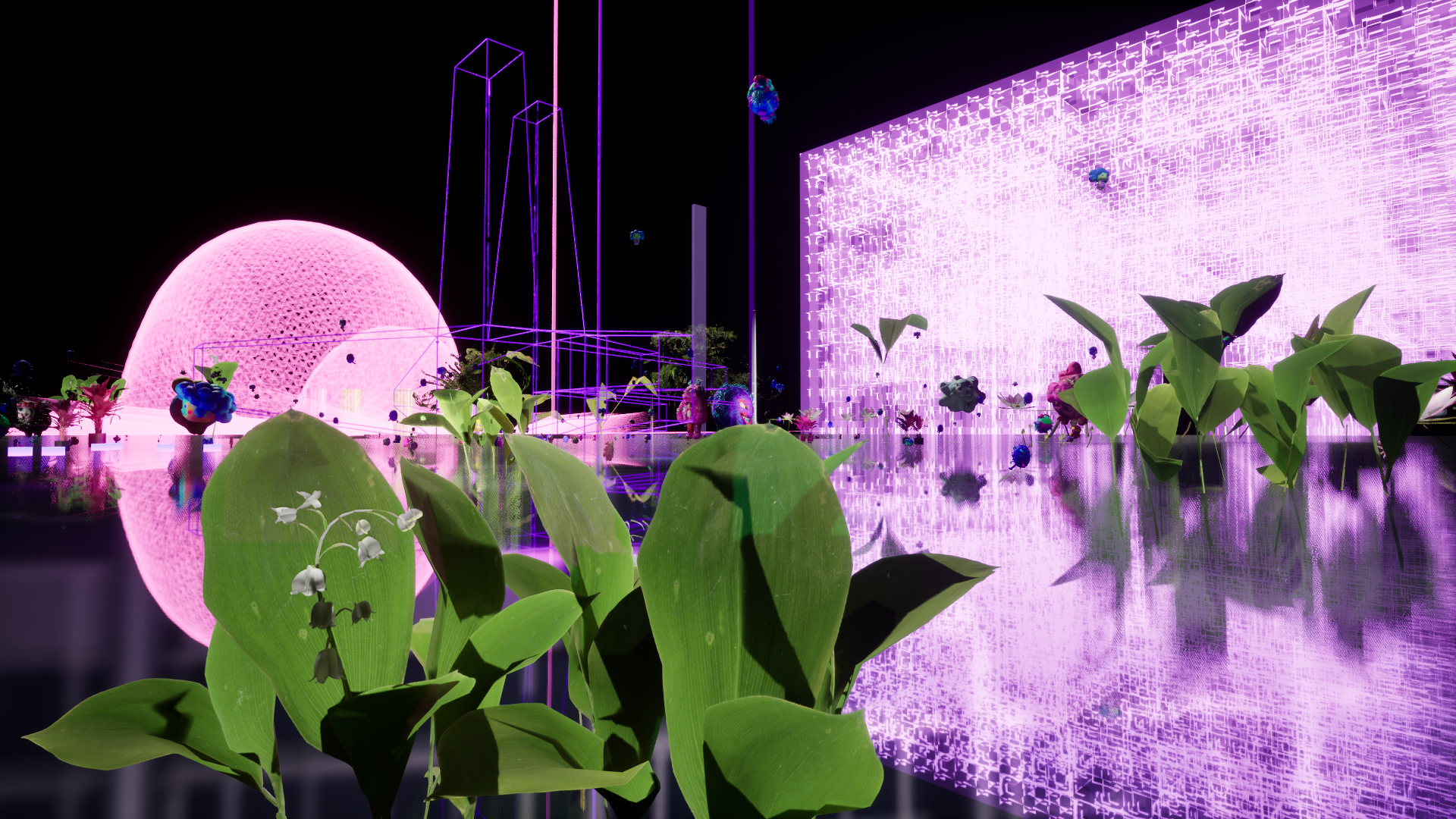
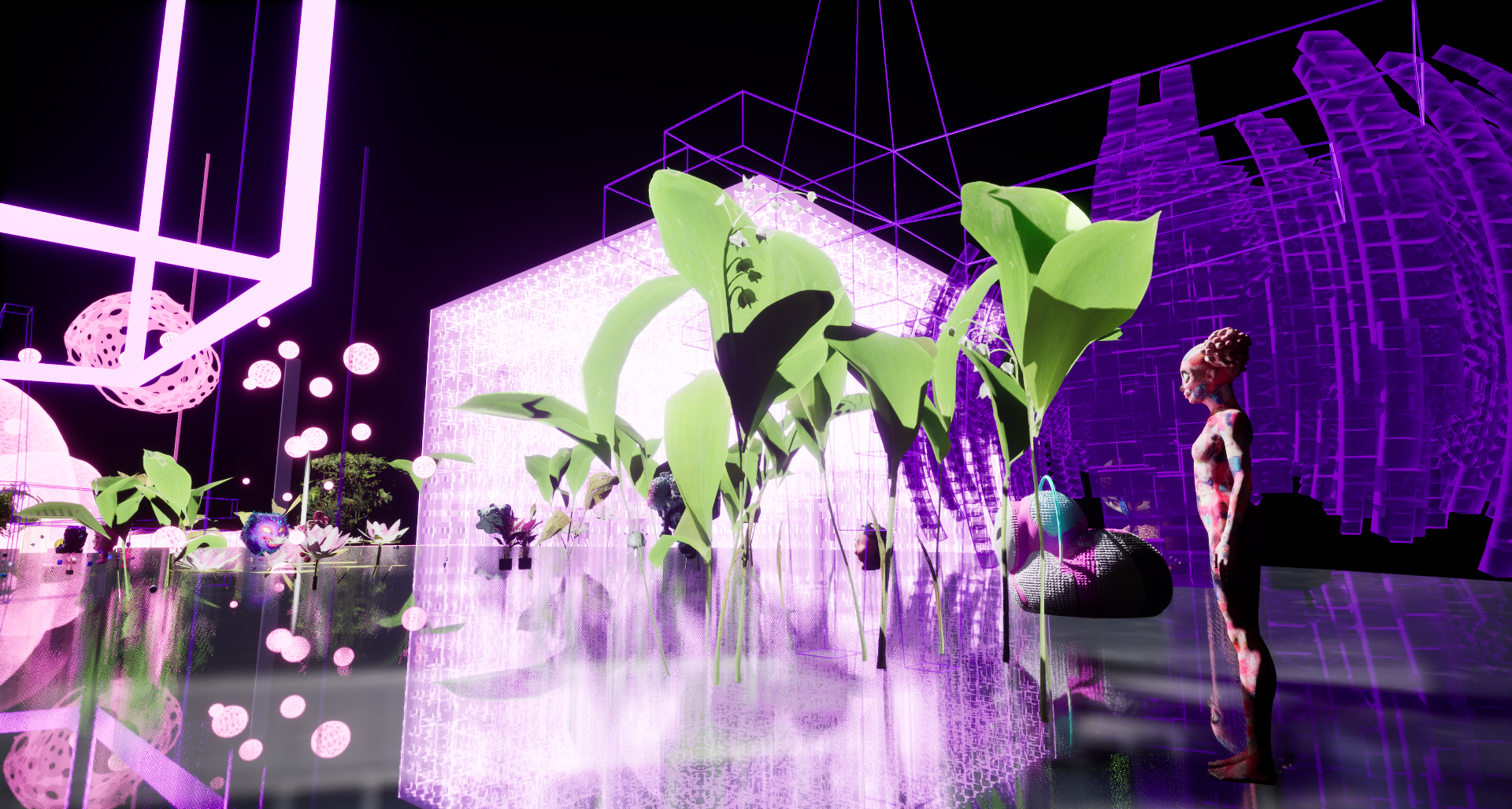
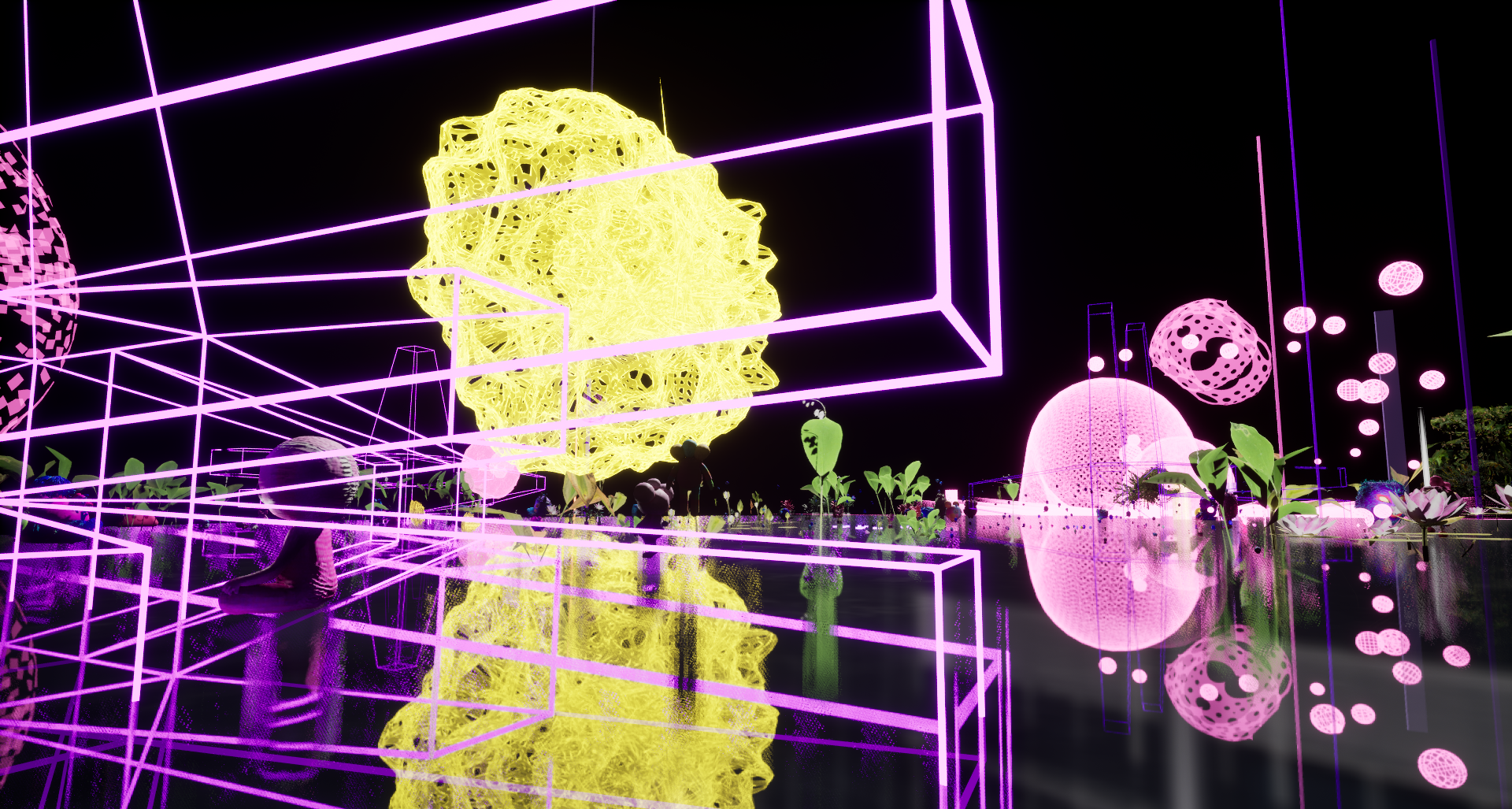
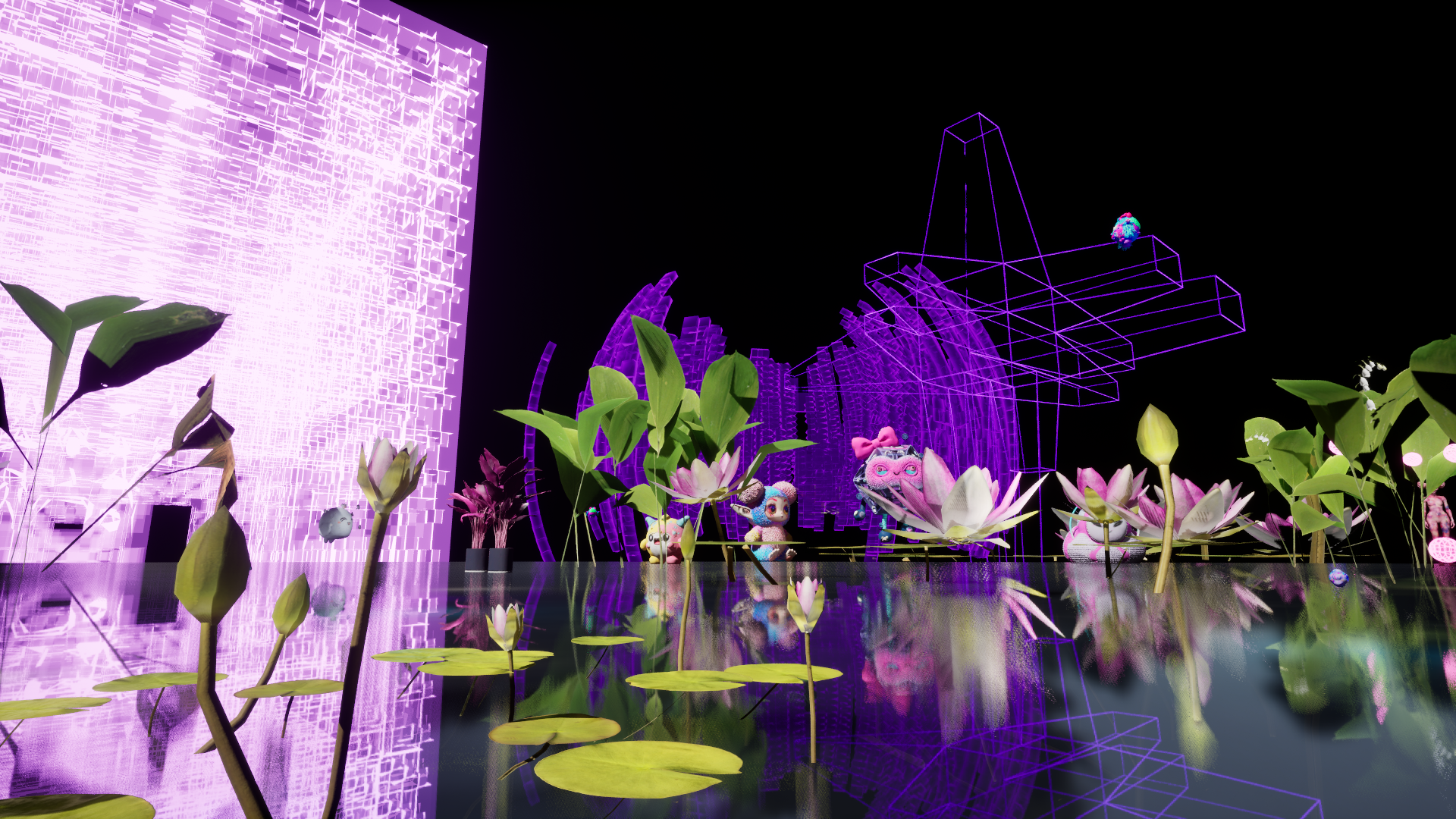
GARDEN (Virtual World; VRChat Virtual Reality World)
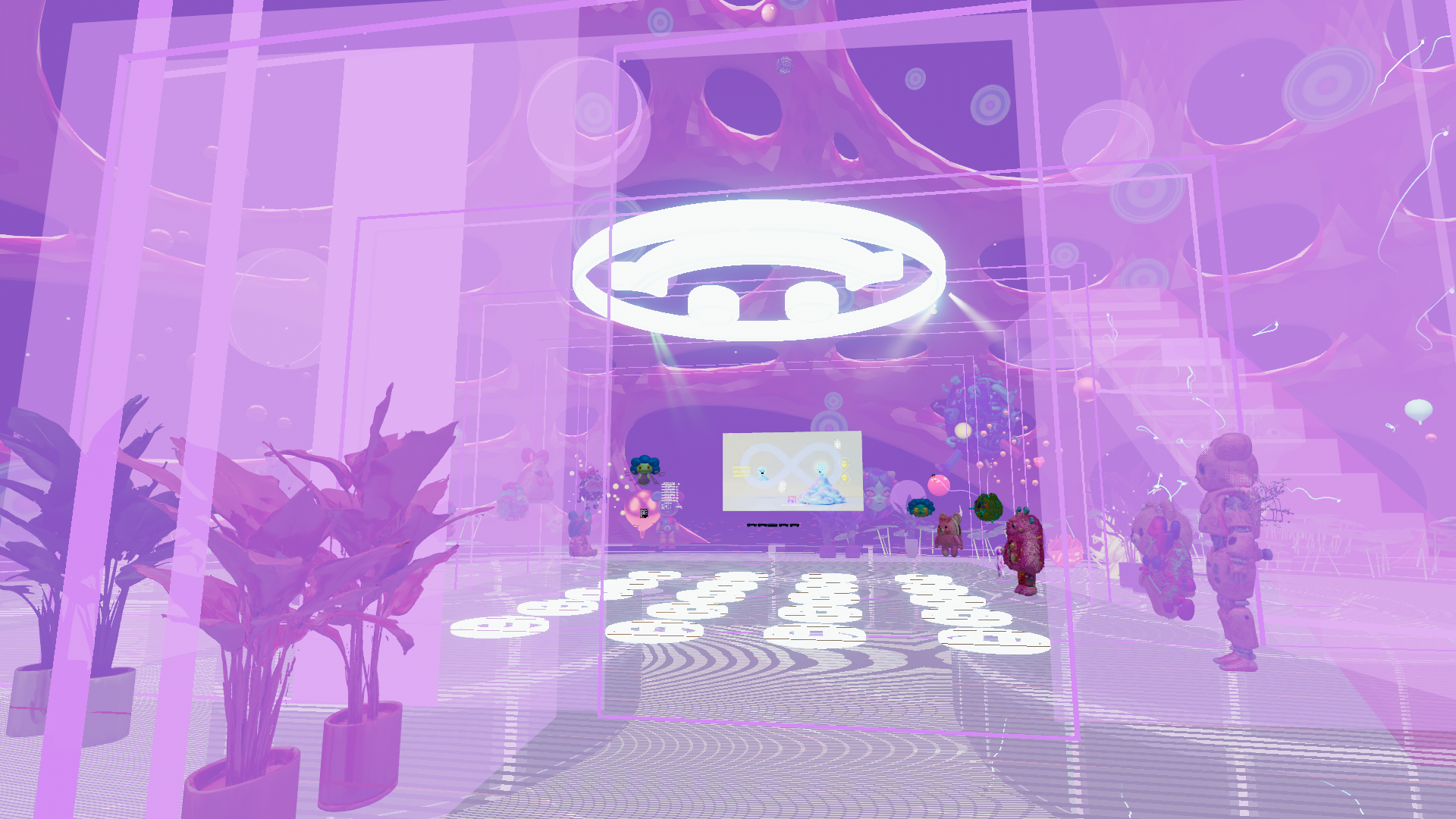
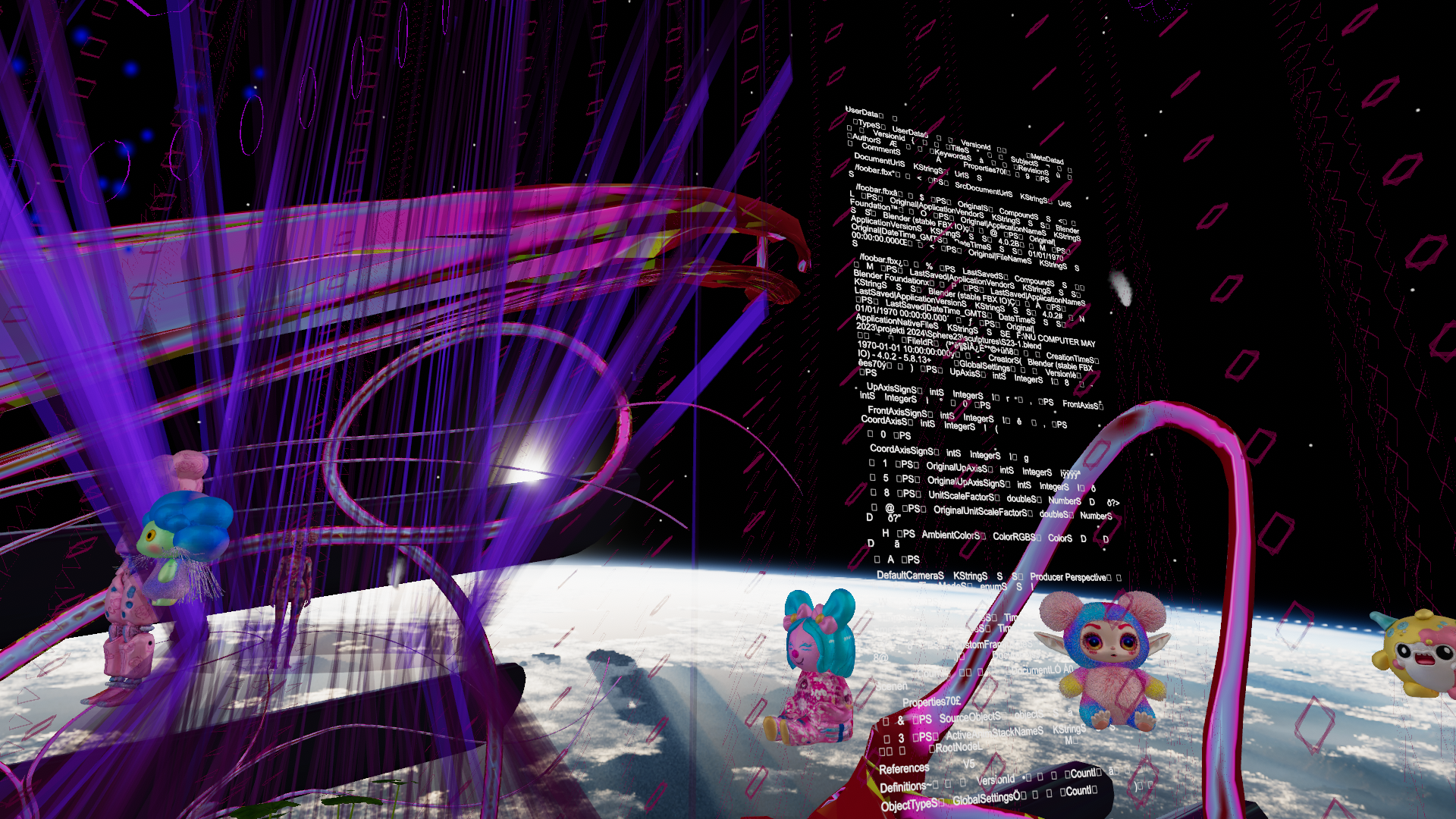
CLUB (VRChat Virtual Reality World)
OFFICE (Second Life World)
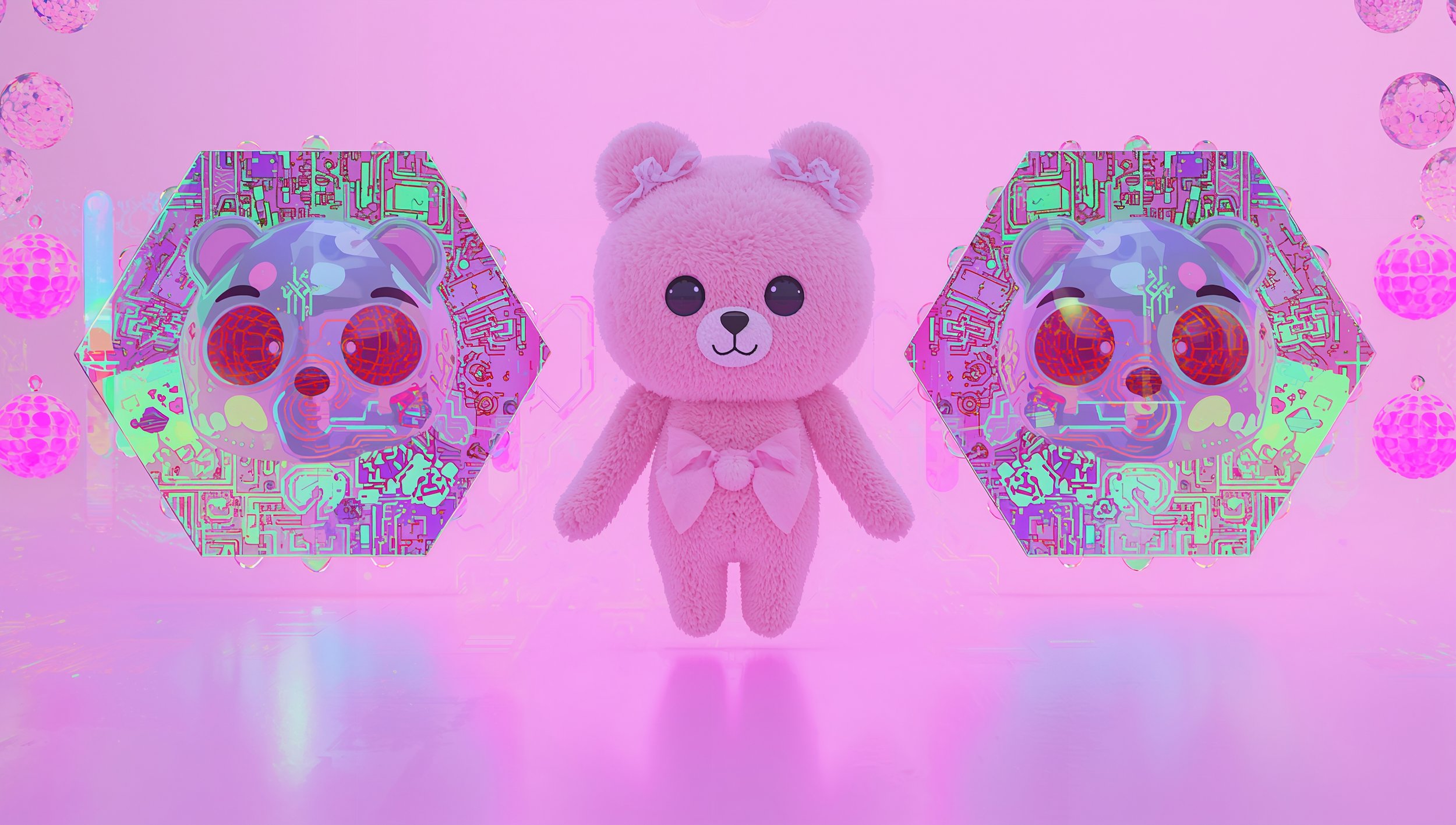
PLAYGROUND (Video Works: 4K 16:9 6:50 Minutes, 9:16: 1:20 Minutes; 16:9 3:11 Minutes; 9:16: 5:03 Minutes)
STICKER BOMBING & WALLPAPERS (Digital Prints, Various Dimensions)
3D sculpting and rendering, world building, AI generative image processing, sound compositions: Tanja Vujinovic
Production: Tanja Vujinovic / Ultramono
Consulting: Mika Pi (software engineering), Ultramono community
BIOMES (CLUB / OFFICE / GARDEN / PLAYGROUND / STICKER BOMBING & WALLPAPERS)
BIOMES holds a deliberate tension between critique and desire, exposing how digital systems format and regulate experience while still generating real pleasure, intimacy, and temporary forms of escape.
This cluster constructs the environments in which digital bodies operate. It examines how virtual architecture organizes behavior, interaction, and desire.
The works include VRChat worlds (GARDEN, CLUB), a Second Life environment (OFFICE), video works (PLAYGROUND), and large-scale prints (STICKER BOMBING & WALLPAPERS). Together they form a network of themed habitats: leisure, productivity, socialization, and play.
Each space mimics a familiar social structure. The Club stages collective euphoria. The Office stages productivity. The Garden stages retreat and care. The Playground stages experimentation and spectacle. These environments appear colorful, inviting, and navigable.
They are also systems of regulation.
Virtual worlds are often presented as open and liberating. This project highlights how they reproduce the same structures found offline: performance metrics, visibility hierarchies, economic layers, and behavioral scripts. Even play is formatted. Even freedom is spatially organized.
By translating everyday social architectures into virtual habitats, BIOMES exposes how digital space conditions interaction. The environments are not backgrounds. They are behavioral frameworks.
AVANTGARDEN: BIOMES presents virtual worlds as designed ecosystems shaped by platform economies, aesthetic trends, and technological constraints. They are seductive. They are immersive. They are structured.
Yet these environments are not only systems of control. They generate bursts of collective euphoria, intimacy, and imaginative escape. Virtual clubs intensify connection. Digital gardens offer refuge. Playgrounds allow experimentation without physical consequence. These spaces produce temporary utopias — structured, commercial, and coded, but emotionally real.
AVANTGARDEN: BIOMES holds both conditions at once. Virtual worlds are designed infrastructures shaped by platform economies and aesthetic trends. They are also sites where users carve out moments of fantasy, solidarity, and release.